

A phone charger can be easy to overlook while packing, but the answer depends on what you mean by “charger.” A wall adapter and charging cable are different from a power bank, which contains a battery. If you’re asking can you take a phone charger on an airplane, ordinary plug-in charging accessories are generally permitted in carry-on luggage, while spare lithium batteries and power banks are generally required to stay in the cabin rather than checked baggage. Airline and destination rules can vary, so check the current guidance for your specific trip.
The products listed below are phone grips with airplane-themed designs, not wall chargers, cables, or battery packs. They may interest travelers who want an airplane motif on a phone accessory, but they don’t provide power. For travel, separate the charging setup into its parts: adapter, cable, wireless charging accessory, and any battery pack. Our portable Qi charging guide may help if you’re also considering a wireless option, and the wireless charger overview covers another kind of phone-charging accessory.
Top Products


Can You Bring Phone Charging Gear on a Flight?
In general, a standard phone wall adapter and charging cable can go in your carry-on bag. Those accessories do not themselves store power, so the special restrictions that apply to spare lithium batteries focus on power banks and other battery-containing equipment. A small charger brick can still be subject to screening, and airport security staff may ask you to remove an item from your bag for inspection.
Keep essential electronics and charging accessories accessible rather than burying them under tightly packed items. If a security officer asks to inspect a device or accessory, follow the instructions at the checkpoint. Rules can differ by country, airport, airline, and itinerary, so this general guidance is not a substitute for checking the authorities responsible for your departure and connecting airports.
Know Which Item You’re Packing
“Phone charger” can refer to several different things: a wall adapter, a USB cable, a wireless charging pad, a car adapter, or a portable battery pack. The first four are charging accessories that draw power from an outlet, vehicle, or other source. A power bank stores electricity in a battery and can recharge a phone without being plugged into a wall outlet.
That distinction matters most when deciding whether an item belongs in checked baggage or the cabin. A regular charging cable does not become a power bank just because it has a USB connector, and a compact wall adapter is not a spare battery. Read the item’s label and product information if its purpose is unclear, especially for accessories that combine a charger with a built-in battery.
Phone grips, including the airplane-themed PopGrip products in this page’s product list, are another category entirely. Their supplied names identify them as phone grips, not powered charging products. Don’t pack one as a substitute for a charging brick or battery pack, and don’t assume it supports wireless charging based only on its appearance or airplane design.
Power Banks Have Different Baggage Rules
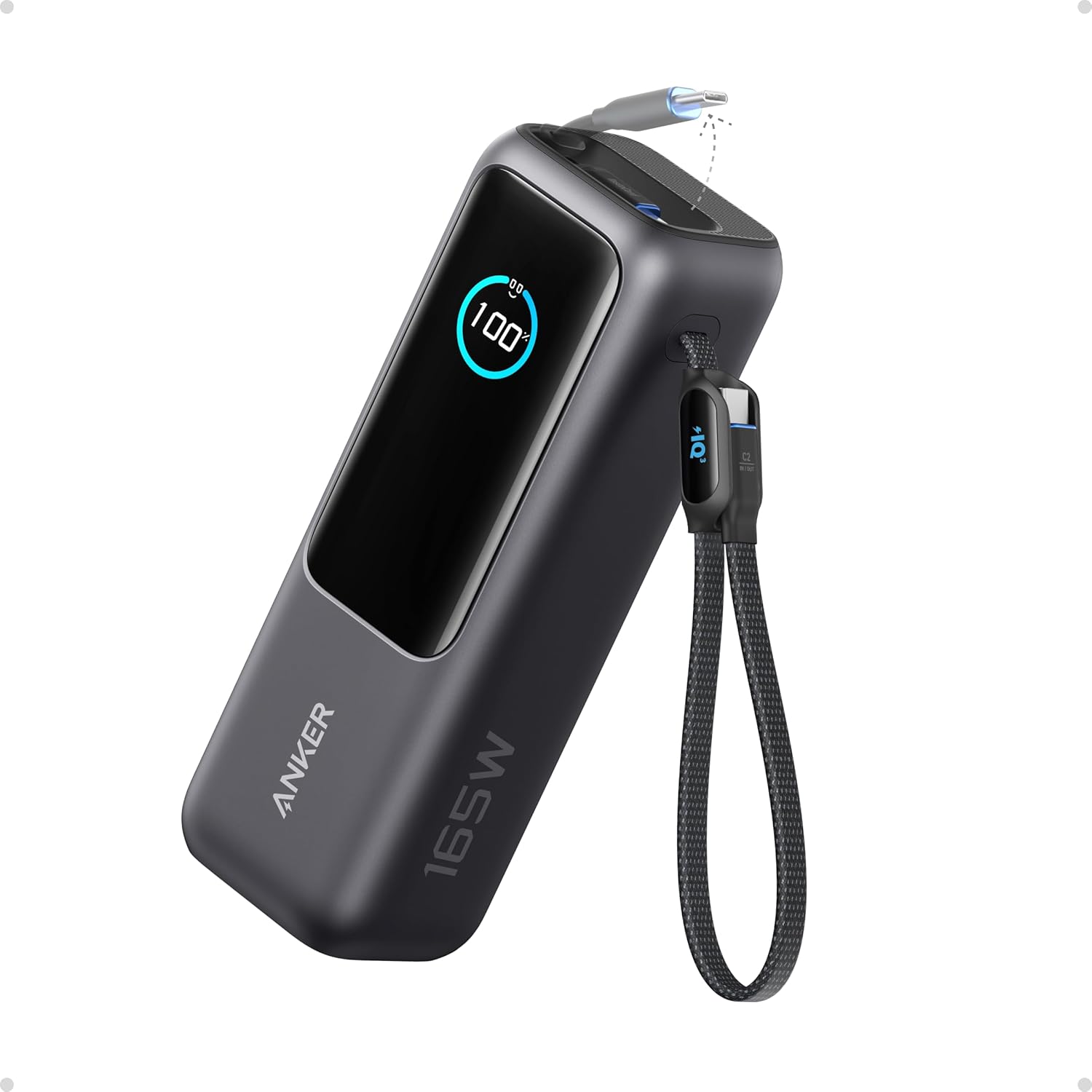
Portable chargers and power banks contain lithium batteries, so their transport rules differ from those for a basic wall adapter and cable. Aviation rules commonly require spare lithium batteries and power banks to be carried in the cabin rather than placed in checked baggage. The reason is practical: a battery problem is more accessible to the crew in the passenger cabin than in the cargo hold.
Capacity limits and approval requirements can apply to power banks. Check the battery’s printed capacity and the current airline and aviation authority rules before flying, especially if the label is missing, damaged, or hard to read. Don’t assume that a small-looking pack falls below a limit; use its stated rating and confirm how the relevant authority expresses that limit.
Protect exposed battery contacts from accidental contact with metal objects. A power bank should not be packed loose with keys, coins, or other items that could bridge its terminals. Use its case or a separate pouch when available, and avoid bringing a battery pack that is swollen, cracked, leaking, unusually hot, or otherwise visibly damaged. If a battery appears damaged, don’t try to charge or use it for the trip.
Pack Charging Gear So It’s Easy to Inspect
A wall adapter and cable are easiest to manage when they’re stored together in a small pouch. This keeps the cable from tangling with other belongings and lets you retrieve the accessories quickly at screening or during the flight. Avoid winding a cable tightly around the charger body, since repeated sharp bends near the connector can stress the cable over time.
Carry-on packing also gives you access to your charging gear if checked baggage is delayed, though access to an aircraft outlet is never guaranteed. A seat may not have a power outlet, or the outlet may be unavailable. Treat an outlet as a convenience rather than a dependable source of power for a time-sensitive call, transfer, or arrival plan.
Keep cables from blocking aisles or getting caught in seat mechanisms. If you use an outlet at your seat, route the cable so it does not create a tripping hazard or get pinched when the seat moves. Use the adapter and cable according to their manufacturer’s instructions, and stop using any accessory with a frayed jacket, exposed wire, loose connector, or signs of heat damage.
Check the Adapter and Cable Before Departure
A charger that works at home may not be useful if its cable is damaged or its adapter is incompatible with the device. Check that the connector matches your phone and that the cable seats securely at both ends. If the plug or cable has visible damage, replace it rather than relying on it for a trip.
Don’t assume that every USB cable or power adapter provides the same charging performance. Charging speed can depend on the phone, adapter, cable, and supported charging standards. The product information supplied for the airplane-themed grips does not list electrical output, connector type, charging protocol, or battery capacity, so those features cannot be inferred from the product names.
If you need a new adapter, check the manufacturer’s specifications for your phone and choose an accessory with supported output and the correct connector. A cable that physically fits does not necessarily establish that every fast-charging feature is supported. For flight packing, the key point is simpler: keep the ordinary adapter and cable separate from any battery pack, then check the battery pack’s own capacity and carriage rules.
Using a Charger During the Flight
Whether you can charge a phone in the cabin depends on the aircraft and the airline’s instructions. Some seats offer an outlet or USB port; others do not. If an outlet is available, follow the crew’s directions and any notices at the seat, and don’t connect equipment if the outlet appears damaged or behaves abnormally.
Aircraft power sources may not behave like a familiar home outlet, and access can be interrupted. Keep the phone and cable under control rather than letting a cord hang where it could snag. If you use a power bank, follow its instructions and airline rules, and don’t leave a device or battery pack unattended if it becomes hot, emits an unusual odor, or shows visible damage.
Some travelers prefer to charge their devices before boarding and use airplane mode or other power-saving settings during the trip. That can reduce dependence on an onboard outlet, but battery life varies with device condition, settings, signal availability, and use. A realistic plan includes enough charge for essential travel tasks and an accessible cable, without assuming that the plane will provide power.
Plan for International Outlets and Connections
Flying internationally adds a separate issue: the shape of the wall plug and the electrical supply at your destination. A plug adapter changes the physical connection, but it does not necessarily convert voltage. Check the input rating printed on the charger and the destination’s electrical requirements before connecting it to an unfamiliar outlet.
Many modern adapters list a range of accepted input voltages, but the product’s own label is what matters. If the label is missing or unreadable, don’t assume that the adapter is suitable for every country. A travel plug adapter also does not turn a USB cable into a power source; you still need a compatible outlet or an approved battery pack.
Connecting flights can mean passing through security more than once or following rules from more than one country. Review the requirements for the whole itinerary, not only the first airport. When airline or aviation authority instructions differ from general advice, follow the applicable official requirements and ask the carrier if an item’s status is uncertain.
What the Listed Airplane-Themed Products Do
The listed Airplane on Blue Phone Popper PopSockets Swappable and Airplane Heartbeat EKG Pilot Flying Cool Aviator PopSockets Swappable are presented as phone grip products. Their names describe airplane-themed designs and a PopGrip style accessory. The supplied product data does not provide a charger output, cable, battery, or wireless charging specification.
That makes them distinct from the equipment needed to recharge a phone during travel. A phone grip may be an optional handling accessory, while the charging adapter and cable supply power from a compatible source. If you’re considering a grip alongside a wireless charging setup, verify the grip and charger manufacturers’ compatibility details rather than assuming that every phone accessory works with every charging pad.
The product information also does not include descriptions or key feature details beyond the names and brands. It would be misleading to claim that either grip has a particular charging function, material, durability level, or compatibility. Base a purchase decision on the full current listing and the phone model you use, and treat the airplane motif as a design detail rather than evidence of an aviation or charging feature.
Resolve Uncertainty Before You Leave
If an item is a conventional wall adapter or cable, it is generally treated as an ordinary electronic accessory rather than a spare battery. If it stores charge for later use, treat it as a battery pack and check its marked capacity and applicable cabin baggage limits. If it combines both functions, use the battery rules and confirm the item’s status with the airline before travel.
Use official, current guidance for your route because aviation policies can change and local rules may differ. Check the airline’s baggage page and the relevant airport or aviation authority, particularly for a large power bank, an unmarked battery, or an unusual charging device. Keep any confirmation or product information accessible if you expect questions about the item at screening.
For a straightforward packing decision, put a standard wall adapter and cable with your carry-on electronics, and keep a power bank in the cabin in accordance with its capacity limits and airline instructions. Don’t treat a phone grip as a charger or infer electrical features that aren’t listed. Checking the item type, battery label, and current route rules before departure is the most reliable way to avoid a last-minute surprise.


Write Your Review
No reviews yet. Be the first to share your experience!