

Managing electric vehicle infrastructure requires balancing panel amperage, hardware reliability, and upfront investment. High-demand parking areas and shared properties often struggle with unmanaged electrical loads and sluggish replenishment speeds. Factoring in equipment durability alongside the total commercial level 2 charging station cost helps property managers deploy reliable power without triggering unneeded transformer upgrades. Dedicated Level 2 units deliver anywhere from 16 to 80 amps of continuous power, providing rapid turnaround for commuters and fleet vehicles alike. Selecting hardware with robust weatherproofing ratings like NEMA 4 or IP65 ensures long-term outdoor endurance against harsh rain and winter freezing.
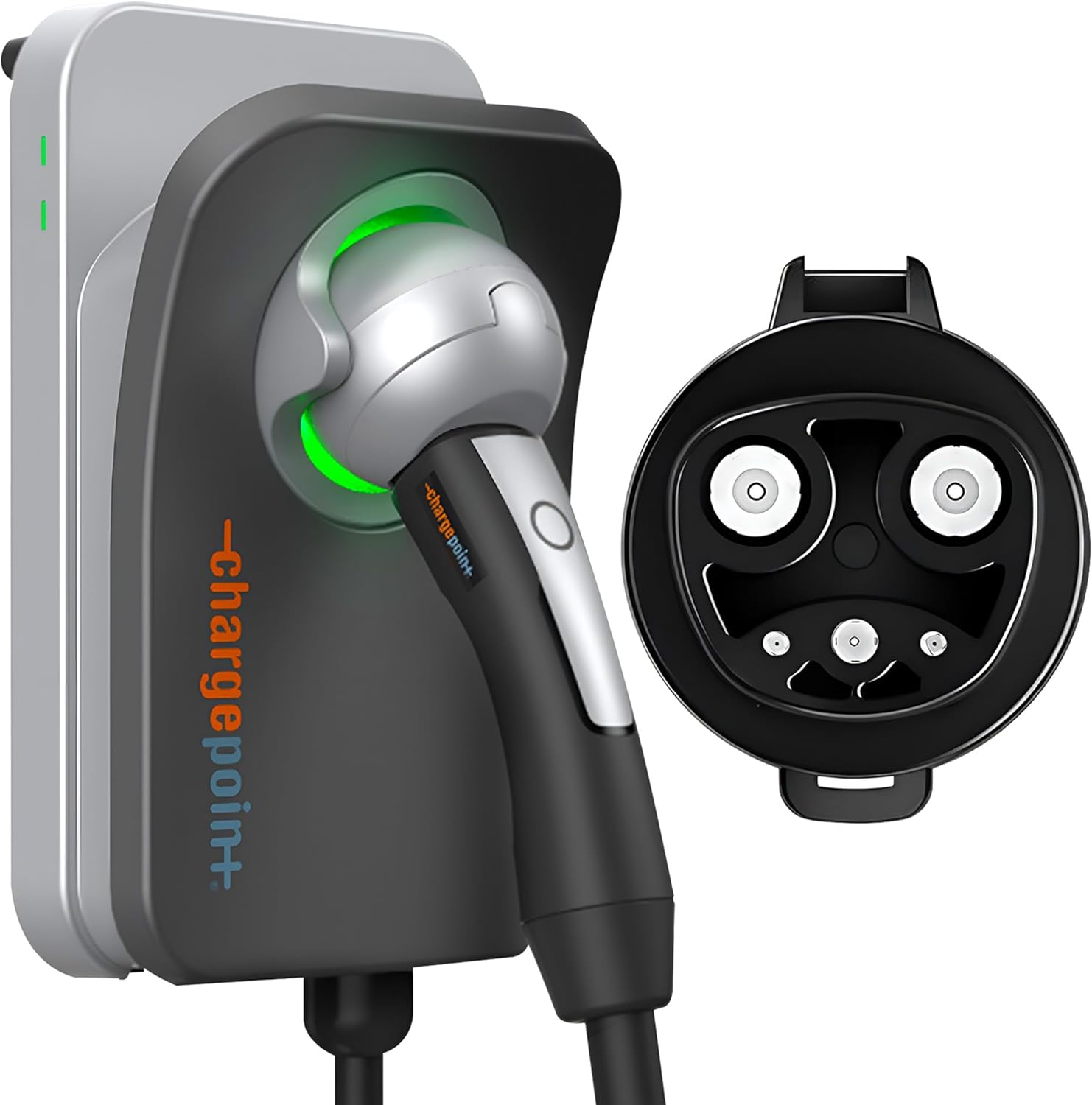
Hardware choices range from rugged dual-port pedestal units to flexible wall mounts and portable backup cables. While some drivers rely on a dedicated portable charger for car emergencies, commercial and workplace hosts demand permanent hardwired stations with intelligent access controls. Commercial units equipped with OCPP compliance, RFID readers, and smart load sharing give operators clear energy data while recouping utility expenses through custom driver billing. Reviewing electrical capacity, cable lengths up to 25 feet, and certified safety listings safeguards your property investment for years to come.


Frequently Asked Questions About Commercial Level 2 Charging Costs
What electrical factors influence the commercial level 2 charging station cost?
Dedicated breaker sizing, conduit distance, and electrical panel capacity primarily drive the overall expense. Commercial hardware drawing 48 amps continuous load requires a dedicated 60-amp 240-volt circuit under National Electrical Code standards. Longer conduit runs from the main distribution board or required subpanel upgrades can increase overall project expenditures beyond the hardware sticker price.
Can dual-port Level 2 chargers reduce installation expenses?
Yes, dual-port stations cut installation expenses by powering two vehicles from a single electrical circuit. Units like the Enphase Level 2 Dual EV Charger share 32 amps dynamically, delivering 16 amps to each car when both bays are occupied. This intelligent power sharing eliminates the need for a second dedicated breaker run, saving substantial conduit and labor expenses.
How do property owners monetize commercial charging stations in 2026?
Open Charge Point Protocol (OCPP) software allows site hosts to bill drivers directly for electricity usage. Platforms connected to stations like the Commercial EV Charging Station – OCPP-Compliant model enable custom kilowatt-hour pricing, parking idle fees, and RFID access controls. Property managers can offset their utility bills while providing convenient amenities for hotel guests, apartment tenants, or office visitors.
Are commercial Level 2 EV charging stations weather resistant for outdoor use?
Yes, quality commercial charging stations feature heavy-duty enclosures rated at NEMA 4 or IP65 to resist severe weather. These rugged enclosures shield sensitive internal electronics from blowing rain, blowing dust, sleet, and freezing snow. Heavy-duty 25-foot charging cables also retain flexibility in sub-zero winter temperatures to prevent cracking and handling fatigue.
Does standard commercial equipment support Tesla vehicles?
Universal SAE J1772 connectors charge Tesla vehicles effortlessly when drivers use a standard J1772 to NACS adapter. Most Tesla vehicles ship with this compact adapter, allowing immediate access to public and commercial Level 2 stations. Understanding vehicle connector needs avoids unexpected roadside dead batteries, much like knowing how to charge a car battery without a charger during a roadside emergency.
Are utility rebates available for commercial EV charging stations?
Yes, many electric utilities and municipal programs provide incentives that substantially lower hardware and installation costs. Qualifying equipment typically requires recognized electrical safety certifications like UL 2594 or Energy Star ratings. Securing local utility incentives before purchasing can offset a major portion of your initial commercial charging investment.




Write Your Review
No reviews yet. Be the first to share your experience!