

Slow standard trickle charging often leaves drivers stranded with partial battery capacity when morning commutes roll around. Upgrading to a dedicated 240-volt circuit delivers rapid overnight replenishment, but calculating your total level 2 home charging station cost requires looking past the unit sticker price alone. Between electrical service panel requirements, professional conduit runs, and equipment hardware, expenses can shift significantly. Many EV drivers also keep a backup portable charger for car travel in their trunk while setting up primary residential wall stations. Evaluating whether you need a 40-amp plug-in unit or a 48-amp hardwired station helps you balance initial setup fees against long-term convenience.
Safety certifications like UL and ETL listings safeguard against dangerous thermal overload, while Energy Star ratings qualify equipment for valuable local utility rebates. Careful research into manufacturer electrical ratings and user feedback reveals that smart app scheduling further cuts daily operating expenses by utilizing cheaper off-peak electric rates. Taking time to map out your garage wiring specs ensures you get reliable power delivery without paying for unneeded panel upgrades.

Pros
- Blazing fast charging speed (38 miles per hour) reduces wait time at home
- Smart scheduling and energy tracking via the EVIQO app helps lower electric bills
- Heavy-duty build with long cable reaches even awkward parking spots
- Easy DIY installation if you already have a NEMA 14-50 outlet; certified for safety and rebates
- Compatible with nearly every EV and PHEV on the market today
Cons
- Requires a 240V NEMA 14-50 outlet (40-50 amp circuit); not portable for travel
- Smart features depend on a stable 2.4 GHz Wi-Fi connection; may have issues in garages with poor signal
- Tesla owners need a separate NACS adapter for direct plug-in (not included)
The EVIQO Level 2 EV Charger is a smart, high-power home charging station designed for electric vehicle owners who want to skip the slow trickle of a standard wall outlet. This plug-in unit delivers 40 amps (9.6 kW) over a 240-volt circuit, adding up to 38 miles of range per hour — roughly eight times faster than a basic portable charger. It's a permanent or semi-permanent addition to your garage or driveway, perfect for homeowners who drive EVs daily and want to top off overnight or before a weekend road trip.
This charger is best suited for homeowners with EVs or plug-in hybrids, especially those who commute long distances, have multiple electric cars, or want to take advantage of off-peak electricity rates. It also works well for RV owners with electric RVs (like the Rivian or Ford F-150 Lightning used for towing), and for remote workers who need a guaranteed full charge each morning. While not portable in the traditional sense, the EVIQO can be unplugged and moved if you relocate, as long as a NEMA 14-50 outlet is available.
In terms of performance, the 9.6 kW output is robust enough to handle large EV batteries. For example, a 75 kWh battery can be fully recharged from near-empty in just over 7 hours — great for overnight charging. The charger features adjustable current from 6 to 40 amps (in 1-amp steps), so you can dial it down if your home's electrical system or breaker is shared with other appliances. The 25-foot output cable is one of the longest on the market, giving you the flexibility to park on either side of a two-car garage. The input cable is also longer than average at 37 inches, which helps reach outlets mounted high on the wall. The smart Wi-Fi antenna is enhanced to maintain a solid connection even in garages or basements, and the app lets you set schedules, monitor energy consumption and cost, and receive charging reminders. Over-the-air firmware updates keep the unit current without any manual intervention.
Build quality is a standout feature. The charger carries UL, ETL, FCC, and Energy Star certifications, which not only ensure safety but also make it eligible for a 30% federal tax credit and many local utility rebates. The housing is rated NEMA 4 and IP66, meaning it can handle rain, snow, sleet, heat, and dust — so it's fine to mount outdoors as long as it's not submerged. The mainboard is shielded with steel to protect against electromagnetic interference and physical impact, and an external reset button lets you clear faults quickly without opening the unit. The J1772 connector is fully rubberized with a metal tab for durability, and the entire unit has passed cold weather tests, drop tests, and cable deep freeze tests, according to the manufacturer. The 3-year warranty and US-based customer support add peace of mind.
Installation is straightforward if you already have a NEMA 14-50 outlet (common for electric ranges or RV parks). Simply hang the included wall bracket, plug in the charger, and download the app. If you don't have an outlet, you'll need an electrician to run a 240V circuit — but that's a one-time cost. One realistic limitation is that the smart features rely on a stable 2.4 GHz Wi-Fi connection; if your garage has weak signal, you may need a Wi-Fi extender. Also, Tesla owners will need to purchase a separate NACS adapter (sold separately). The charger itself is not lightweight at 20.3 pounds, but it's meant to stay mounted. For those who move frequently, the plug-in design makes it semi-portable, but you wouldn't want to toss it in a trunk for trips.
Overall, the EVIQO Level 2 EV Charger offers an excellent combination of speed, smart features, and rugged build quality at a competitive price point. It's ideal for any EV owner who wants to reduce charging time at home, save money by scheduling off-peak fills, and have a reliable unit that will last for years. Whether you drive a Chevy Bolt, Ford Mustang Mach-E, Hyundai Ioniq 5, VW ID.4, or a Nissan Leaf, this charger will suit your needs. If you're a homeowner preparing for an electric future or already driving an EV, this is a solid investment in convenience and energy savings.

Pros
- Fast charging speed: 48A output delivers up to 46 miles of range per hour, among the fastest for home chargers.
- Excellent build quality: Heavy-duty, weatherproof enclosure with liquid-tight conduit and rubberized connector for long-term durability.
- Smart features: User-friendly app with scheduling, current adjustment, real-time monitoring, and OTA firmware updates.
- Easy installation: Hardwired design with clear instructions, mounting template, and theft-deterrent screws included.
- Great value: Competitive price point with high ratings and eligibility for federal tax credit and utility rebates.
Cons
- Hardwired installation requires a licensed electrician and a dedicated 60A circuit, which may add upfront cost.
- J1772 connector requires a separate adapter for Tesla vehicles (not included).
- App-based smart features rely on stable WiFi; some users may experience connectivity issues in basements or garages.
The EVIQO Level 2 EV Charger is a hardwired home charging station designed for EV and plug-in hybrid owners who want fast, reliable, and smart charging. This 48-amp unit delivers up to 11.5 kW, providing about 46 miles of range per hour – enough to fully recharge most EVs overnight. It's best suited for homeowners, RV owners who also drive electric vehicles, and anyone looking for a weatherproof, UL-certified charger that can be installed indoors or outdoors. The charger is also a great choice for emergency preppers who want to ensure their EV is always ready, and for remote workers who rely on their vehicle for daily commuting.
In real-world use, the EVIQO charger excels in both performance and convenience. The 25-foot charging cable offers plenty of reach for various parking configurations, and the heavy-duty J1772 connector with a metal latch feels secure and durable. The unit supports adjustable current from 6 to 48 amps, allowing you to match your home's electrical capacity. The smart app lets you set charging schedules, monitor energy consumption, and track costs – all helpful for managing electricity bills. The app also provides real-time voltage, current, and power readings, and you can adjust the amperage on the fly. The charger supports OTA firmware updates, which means it can improve over time.
Build quality is a standout feature. The enclosure is IP66 and NEMA 4 rated, meaning it's dust-tight and protected against heavy rain, snow, and even hose-directed water. The unit includes a steel shielding on the mainboard for added protection, and an external reset button clears faults without needing to open the charger. The high-visibility fluorescent holster makes it easy to find the connector in low light, and the theft-deterrent mounting screws add security for outdoor installations. The charger is also UL, ETL, FCC, and Energy Star certified, ensuring safety and efficiency.
Installation is straightforward for a licensed electrician: the hardwired design requires a dedicated 60-amp circuit, and the 40-inch input cable is designed for convenient conduit connection. The included mounting template and hardware make wall mounting simple. The charger is also eligible for the 30% federal tax credit and many local utility rebates, which can significantly reduce the net cost. The 3-year manufacturer warranty and responsive US-based customer support add to the value.
That said, there are a few limitations. Hardwired installation means you can't easily move the unit, and you'll need a professional electrician if you're not comfortable with electrical work. The J1772 connector is universal for all non-Tesla EVs, but Tesla owners will need to purchase a separate adapter. The app's smart features depend on a stable WiFi connection; some users in garages with weak signals may experience occasional drops. Overall, the EVIQO Level 2 EV Charger offers exceptional performance, build quality, and smart features at a competitive price. It's an excellent choice for any EV owner who wants a fast, reliable, and future-proof home charging solution.

Pros
- Comprehensive coverage of all installation steps from planning to inspection
- Clear explanations of electrical codes and permit requirements
- Vehicle-specific recommendations optimize charging speed and future-proofing
- Cost-saving strategies help you save hundreds on installation
Cons
- Focuses only on Level 2 home charging, not Level 1 or public charging
- Some readers may prefer video tutorials over text-based diagrams
- Not a replacement for licensed electrician for complex panel upgrades
This is a DIY guidebook, not a portable electronic device, but it's an essential resource for EV owners who want to install a Level 2 charger at home. The book covers everything from evaluating your electrical panel to passing final inspection, helping you save $800-$1,500 on professional installation. It's ideal for homeowners, DIYers, and new EV owners who want to avoid costly electrician fees while ensuring a safe, code-compliant setup.
The guide is structured for beginners and intermediates. It starts with understanding your electrical panel capacity and moves through wire gauge selection, circuit breaker sizing, and the differences between hardwired and plug-in installations. You'll learn about NEMA 14-50 outlets, 50-60 amp circuits, and how to match your charger to your vehicle's maximum AC charging rate. The book also covers NEC 2023 updates, including GFCI protection and grounding requirements, which are critical for passing inspection.
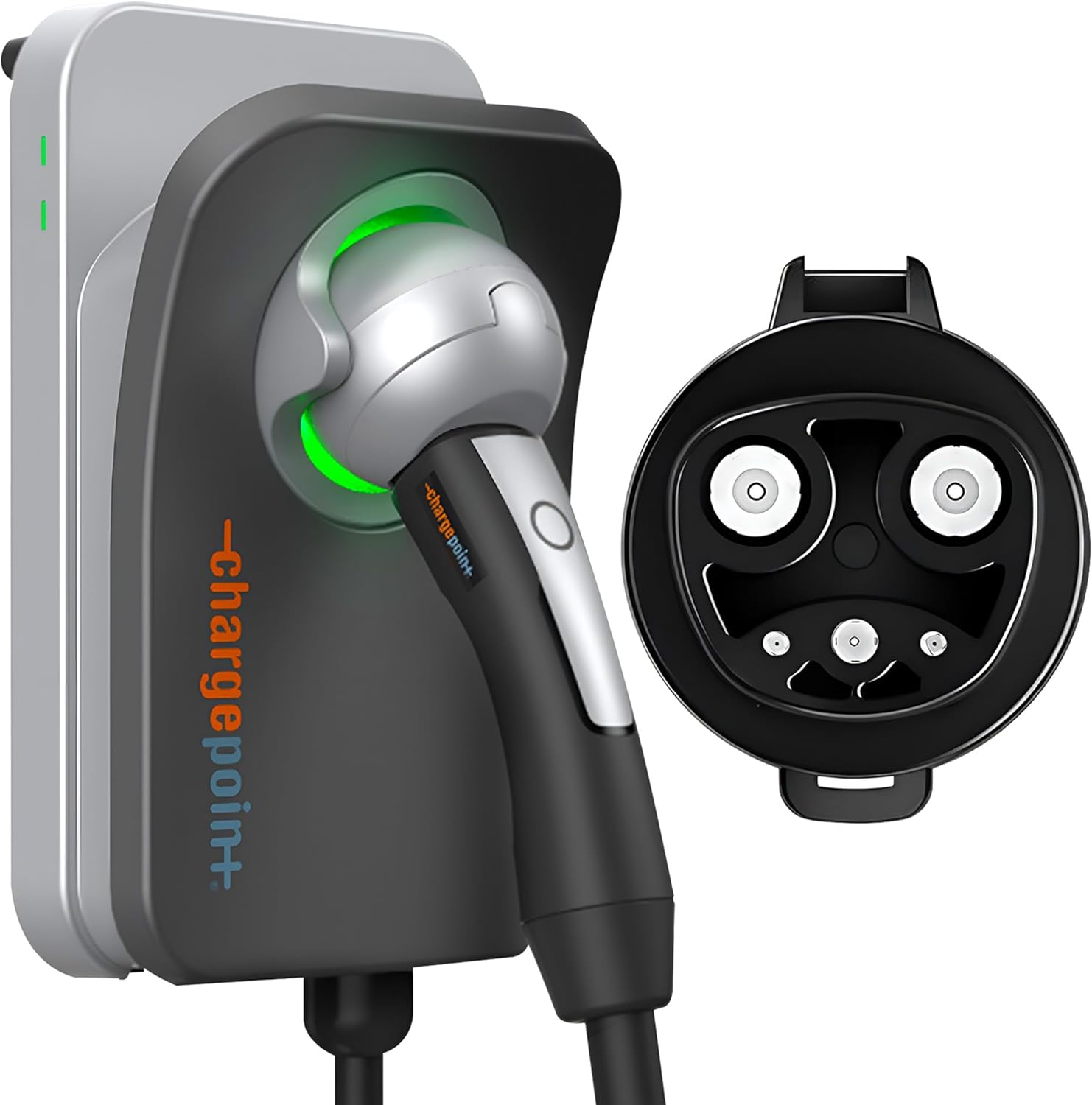
Each major charger type is covered in detail: Tesla Wall Connector, ChargePoint Home Flex, JuiceBox, and all J1772-compatible models. You'll get vehicle-specific recommendations for Tesla, Ford Mustang Mach-E, Chevy Bolt, Nissan Leaf, and more. The cost breakdowns show exactly what professionals charge for labor, materials, and permits, so you can decide which parts to DIY and which to leave to a licensed electrician.
Safety is a major focus. The book emphasizes when professional installation is non-negotiable, such as when your panel needs a service upgrade or when load calculations reveal overload risks. It includes detailed load calculation worksheets and common code violations to avoid. Troubleshooting guides and equipment checklists simplify complex concepts, making the process less intimidating.
One limitation is that the book focuses exclusively on Level 2 home charging. It doesn't cover Level 1 charging or public charging networks. Also, some readers might prefer online video tutorials, but the text-based diagrams and checklists are thorough. For those comfortable with basic electrical work, this guide can save hundreds and give you confidence in your installation.
Overall, this is a practical, no-nonsense resource for EV owners who want to take control of their home charging setup. It's not a portable electronic device, but it's a valuable tool for DIYers, homeowners, and anyone looking to reduce their EV ownership costs. If you're planning to install a charger yourself, this guide will help you do it right the first time.
This guide is best for homeowners, DIYers, and new EV owners who want to install a Level 2 charger themselves. It's also useful for budget-conscious buyers looking to save on professional installation costs. Contractors and electricians may find it useful as a reference for code compliance, but it's primarily written for the non-professional.
Frequently Asked Questions About Home Charging Expenses
What factors determine the overall level 2 home charging station cost in 2026?
Hardware price, electrical permit fees, and circuit installation complexity determine the overall level 2 home charging station cost. A 40-amp plug-in station like the EVIQO Level 2 EV Charger 40 Amp requires an existing NEMA 14-50 receptacle, whereas a 48-amp hardwired station demands a dedicated 60-amp circuit. Labor costs vary widely depending on the distance between your garage wall and main breaker panel. Adding a detailed DIY permit manual such as How to Install Your Own EV Charger can help clarify local electrical requirements before hiring a contractor.
Is a 40-amp plug-in charger cheaper to install than a 48-amp hardwired unit?
Yes, a 40-amp plug-in charger is often cheaper to install if your home already features an accessible 240-volt NEMA 14-50 outlet. Plug-in units draw up to 9.6 kW on a 50-amp breaker and plug right in without hardwiring labor. In contrast, the EVIQO Level 2 EV Charger 48 Amp HARDWIRED delivers 11.5 kW but mandates direct wiring to a 60-amp circuit breaker to satisfy continuous load rules. Homeowners seeking maximum charging speed often invest the extra installation labor for those faster recharge cycles.
How do smart Wi-Fi scheduling features reduce ongoing charging costs?
Smart Wi-Fi features reduce costs by automatically scheduling vehicle charging during cheaper off-peak electric utility hours. Through dedicated mobile apps, drivers set charging windows between midnight and early morning when kilowatt-hour rates drop significantly. Stations equipped with current adjustment allow users to dial back amperage to prevent household peak demand penalties. Energy monitoring tools inside the app also calculate exact power consumption so you can track your monthly utility spending accurately.
Can Energy Star certification help lower the purchase cost of an EV charger?
Yes, Energy Star certification lowers net costs by making hardware eligible for local utility rebates and federal tax incentives. Certified models must meet strict standby power conservation guidelines, preventing phantom electric drain while idle. Many electric utility programs offer hundreds of dollars in purchase credits specifically for certified Level 2 units. Checking your local power provider rebate database before buying ensures you capture every available incentive.
Can you safely charge an electric vehicle on a standard household outlet in an emergency?
Yes, you can use a Level 1 trickle cord on a basic 120-volt wall outlet, though charging speeds remain limited to 3 to 5 miles of range per hour. Drivers dealing with unexpected auxiliary power loss can review procedures on how to charge a car battery without a charger for 12-volt starter units, but high-voltage traction batteries demand dedicated EVSE hardware. A dedicated 240-volt Level 2 station remains the most practical solution for dependable daily vehicle replenishment.




Write Your Review
No reviews yet. Be the first to share your experience!