

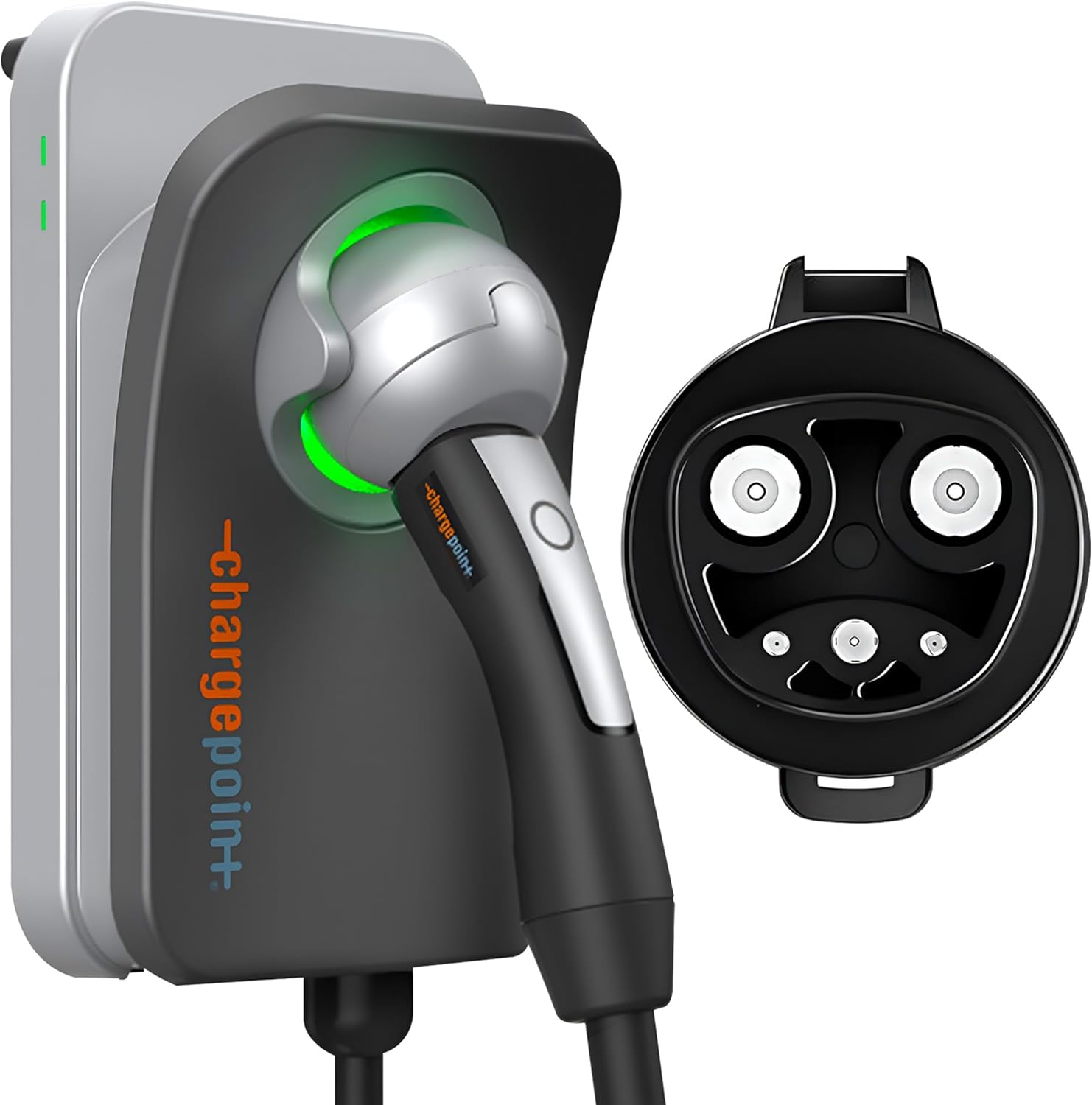
Tripping over a rat’s nest of tangled cables every morning quickly drains your patience before work begins. Rising energy costs and crowded wall outlets make organizing daily tech a priority, so keeping your charge point charging station cost reasonable is a smart move. Based on product specifications and user feedback, swapping chaotic wall warts for a streamlined charging hub delivers reliable power distribution without straining household circuits. Keeping a trusted portable charger for car travel rounds out your power setup effortlessly.
Modern multi-device docks offer clean cable management alongside robust ETL safety certifications that guard sensitive battery cells against heat spikes. Learning to wrap a Mac charger safely extends cord life, but a stationary organizer keeps phones, smartwatches, and tablets upright and ready. Our analysis of port wattages and safety features shows that investing in an organized desktop charging setup provides everyday convenience while keeping your overall hardware expenses under control.


Frequently Asked Questions
What factors determine the overall Charge Point Charging Station Cost for home use?
Hardware wattage, port variety, and safety certifications directly dictate your charge point charging station cost. Entry-level multi-port docks provide steady low-wattage power, while advanced GaN stations offer up to 750W for demanding laptops. Units featuring flame-retardant ABS housing and integrated surge protection help prevent expensive device damage. Choosing a station matching your gadget count avoids overspending on unused wattage.
How does a multi-device charging station prevent electrical overload?
Smart detection chips automatically identify connected devices and adjust current output in real time. These internal controllers curb overcurrent, overvoltage, and overheating risks by throttling power before temperatures spike. Models with an ETL safety listing comply with rigorous manufacturing standards. This dynamic load management keeps standard wall outlets safe even with multiple tablets charging simultaneously.
Can multi-port charging docks fast charge laptops and phones together?
Yes, high-output docks equipped with independent USB-C Power Delivery ports easily handle laptops alongside phones. High-wattage stations allocate 65W to 120W per port without dropping current to secondary USB-A slots. Standard 15W or 50W multi-chargers suit mobile phones nicely but lack the voltage required for full laptop operation. Checking port specifications ensures seamless compatibility.
Why is a phone failing to charge in a multi-dock stand?
Accumulated lint, thick cases, or unseated cables usually disrupt the electrical connection. Pocket debris often prevents full plug contact, making it vital to clean debris out of a charger port before seating devices. Protective cases exceeding slot widths can also prevent flush alignment. Testing with fresh cables usually solves the problem.
Is a desktop multi-charger more cost-effective than dedicated wall hardware?
Yes, desktop multi-chargers plug straight into standard 120-volt wall outlets, avoiding the costly electrical panel upgrades required by heavy vehicle charging hardware. Rather than hiring an electrician for 240-volt circuits, a multi-device dock organizes your portable tech instantly. It remains the most economical solution for managing everyday personal devices throughout 2026 without unexpected installation expenses.




Write Your Review
No reviews yet. Be the first to share your experience!