

Waking up to an electric vehicle with barely thirty miles of added range turns daily commuting into an exercise in battery anxiety. Standard 120-volt wall outlets take far too long to replenish modern battery packs, pushing drivers to upgrade to a 240-volt Level 2 setup. Evaluating the true home car charging station cost involves looking beyond hardware prices, since circuit breaker sizing, wire runs, and potential electrical panel upgrades dictate total expenses. Some drivers prefer a flexible Level 2 EV Charger 40Amp plug-in model that connects to an existing NEMA 14-50 receptacle, while others choose a hardwired unit like the EVIQO Level 2 EV Charger 48 Amp HARDWIRED to maximize charging speed. Storing a reliable portable charger for car emergencies also gives you confidence on long road trips.
Hardware prices range from budget portable cords to advanced smart wall stations, but installation labor represents a substantial part of the overall investment. Factoring in permit fees, utility time-of-use discounts, and self-installation guides like How to Install Your Own EV Charger helps homeowners budget accurately before starting electrical upgrades. Choosing hardware with certified electrical safety compliance also protects your household while qualifying for local power company rebates that lower long-term expenses.

Pros
- Fast charging speed: 48A output delivers up to 46 miles of range per hour, among the fastest for home chargers.
- Excellent build quality: Heavy-duty, weatherproof enclosure with liquid-tight conduit and rubberized connector for long-term durability.
- Smart features: User-friendly app with scheduling, current adjustment, real-time monitoring, and OTA firmware updates.
- Easy installation: Hardwired design with clear instructions, mounting template, and theft-deterrent screws included.
- Great value: Competitive price point with high ratings and eligibility for federal tax credit and utility rebates.
Cons
- Hardwired installation requires a licensed electrician and a dedicated 60A circuit, which may add upfront cost.
- J1772 connector requires a separate adapter for Tesla vehicles (not included).
- App-based smart features rely on stable WiFi; some users may experience connectivity issues in basements or garages.
The EVIQO Level 2 EV Charger is a hardwired home charging station designed for EV and plug-in hybrid owners who want fast, reliable, and smart charging. This 48-amp unit delivers up to 11.5 kW, providing about 46 miles of range per hour – enough to fully recharge most EVs overnight. It's best suited for homeowners, RV owners who also drive electric vehicles, and anyone looking for a weatherproof, UL-certified charger that can be installed indoors or outdoors. The charger is also a great choice for emergency preppers who want to ensure their EV is always ready, and for remote workers who rely on their vehicle for daily commuting.
In real-world use, the EVIQO charger excels in both performance and convenience. The 25-foot charging cable offers plenty of reach for various parking configurations, and the heavy-duty J1772 connector with a metal latch feels secure and durable. The unit supports adjustable current from 6 to 48 amps, allowing you to match your home's electrical capacity. The smart app lets you set charging schedules, monitor energy consumption, and track costs – all helpful for managing electricity bills. The app also provides real-time voltage, current, and power readings, and you can adjust the amperage on the fly. The charger supports OTA firmware updates, which means it can improve over time.
Build quality is a standout feature. The enclosure is IP66 and NEMA 4 rated, meaning it's dust-tight and protected against heavy rain, snow, and even hose-directed water. The unit includes a steel shielding on the mainboard for added protection, and an external reset button clears faults without needing to open the charger. The high-visibility fluorescent holster makes it easy to find the connector in low light, and the theft-deterrent mounting screws add security for outdoor installations. The charger is also UL, ETL, FCC, and Energy Star certified, ensuring safety and efficiency.
Installation is straightforward for a licensed electrician: the hardwired design requires a dedicated 60-amp circuit, and the 40-inch input cable is designed for convenient conduit connection. The included mounting template and hardware make wall mounting simple. The charger is also eligible for the 30% federal tax credit and many local utility rebates, which can significantly reduce the net cost. The 3-year manufacturer warranty and responsive US-based customer support add to the value.
That said, there are a few limitations. Hardwired installation means you can't easily move the unit, and you'll need a professional electrician if you're not comfortable with electrical work. The J1772 connector is universal for all non-Tesla EVs, but Tesla owners will need to purchase a separate adapter. The app's smart features depend on a stable WiFi connection; some users in garages with weak signals may experience occasional drops. Overall, the EVIQO Level 2 EV Charger offers exceptional performance, build quality, and smart features at a competitive price. It's an excellent choice for any EV owner who wants a fast, reliable, and future-proof home charging solution.

Pros
- Fast 9.6kW charging with adjustable amperage for customized speed
- Portable design with carry bag and holders for easy transport and storage
- Wide compatibility with all J1772 EVs and hybrids (Tesla requires adapter)
- Excellent weather resistance with IP66 rating for outdoor use in any climate
Cons
- Does not include a Tesla adapter, so Tesla owners need to purchase separately
- Requires a 50A circuit breaker, which may not be available in all homes or older RV parks
- Control box is somewhat bulky, adding weight during travel
The EVDANCE Level 2 EV Charger is a portable electric vehicle charging station designed for EV owners who need fast, reliable charging at home or on the go. With a NEMA 14-50 plug and adjustable current from 10A to 40A, this charger offers flexibility for various scenarios, whether you are topping off at work, charging overnight at home, or plugging in at an RV park during a road trip. It is best suited for EV owners, road trippers, RV enthusiasts, homeowners, and anyone who wants a portable charging solution that can handle different power conditions.
Performance-wise, the EVDANCE charger delivers up to 9.6kW of power, charging your EV roughly 8 times faster than a standard Level 1 charger. The adjustable current settings (10A, 16A, 20A, 24A, 32A, 40A) let you match the charging speed to your electrical circuit, preventing tripped breakers in older homes or campsites. The delayed charging function allows you to set a timer from 1 to 12 hours, so you can charge during off-peak hours and save on electricity costs. The 2.4-inch TFT display provides clear real-time information on charging current, voltage, power, and time, while the LED indicator shows the charging status at a glance.
Build quality is robust, with an IP66 weatherproof rating that protects against dust and powerful water jets, making it suitable for outdoor use in rain, snow, or direct sunlight. The charger operates in temperatures from -22°F to +122°F, so it can handle harsh weather conditions. Safety features include built-in protection against leakage, grounding issues, overvoltage, undervoltage, overcurrent, overcharging, overheating, and short circuits. The charger automatically shuts off when your vehicle is fully charged, which adds peace of mind and protects your car's battery.
Portability is a key strength. The 25-foot cable gives you plenty of reach, and the included carry bag, cable holder, and control box holder make it easy to store and transport. At 11.58 pounds, it is light enough to keep in your trunk for emergency charging or to bring along on camping trips. Setting up the charger is straightforward: plug it into a NEMA 14-50 outlet, connect the J1772 connector to your vehicle, and adjust the current as needed. No complex installation is required, making it beginner-friendly.
Realistically, there are a few limitations. The charger does not include a Tesla adapter, so Tesla owners will need to purchase one separately. It also requires a 50A circuit breaker, which may not be available in all homes or older RV parks. Some users may find the control box a bit bulky, but the overall design is still manageable for travel. Additionally, while the charger is weather-resistant, it is not designed for submersion, so avoid using it in standing water.
Overall, the EVDANCE Level 2 EV Charger is a practical investment for EV owners who want a fast, adjustable, and portable charging solution. It is especially useful for road trips, RV adventures, and home charging where flexibility and reliability matter. If you have a J1772-compatible EV and need a charger that can handle various conditions without breaking the bank, this model delivers solid performance and value.

Pros
- Comprehensive coverage of all installation steps from planning to inspection
- Clear explanations of electrical codes and permit requirements
- Vehicle-specific recommendations optimize charging speed and future-proofing
- Cost-saving strategies help you save hundreds on installation
Cons
- Focuses only on Level 2 home charging, not Level 1 or public charging
- Some readers may prefer video tutorials over text-based diagrams
- Not a replacement for licensed electrician for complex panel upgrades
This is a DIY guidebook, not a portable electronic device, but it's an essential resource for EV owners who want to install a Level 2 charger at home. The book covers everything from evaluating your electrical panel to passing final inspection, helping you save $800-$1,500 on professional installation. It's ideal for homeowners, DIYers, and new EV owners who want to avoid costly electrician fees while ensuring a safe, code-compliant setup.
The guide is structured for beginners and intermediates. It starts with understanding your electrical panel capacity and moves through wire gauge selection, circuit breaker sizing, and the differences between hardwired and plug-in installations. You'll learn about NEMA 14-50 outlets, 50-60 amp circuits, and how to match your charger to your vehicle's maximum AC charging rate. The book also covers NEC 2023 updates, including GFCI protection and grounding requirements, which are critical for passing inspection.
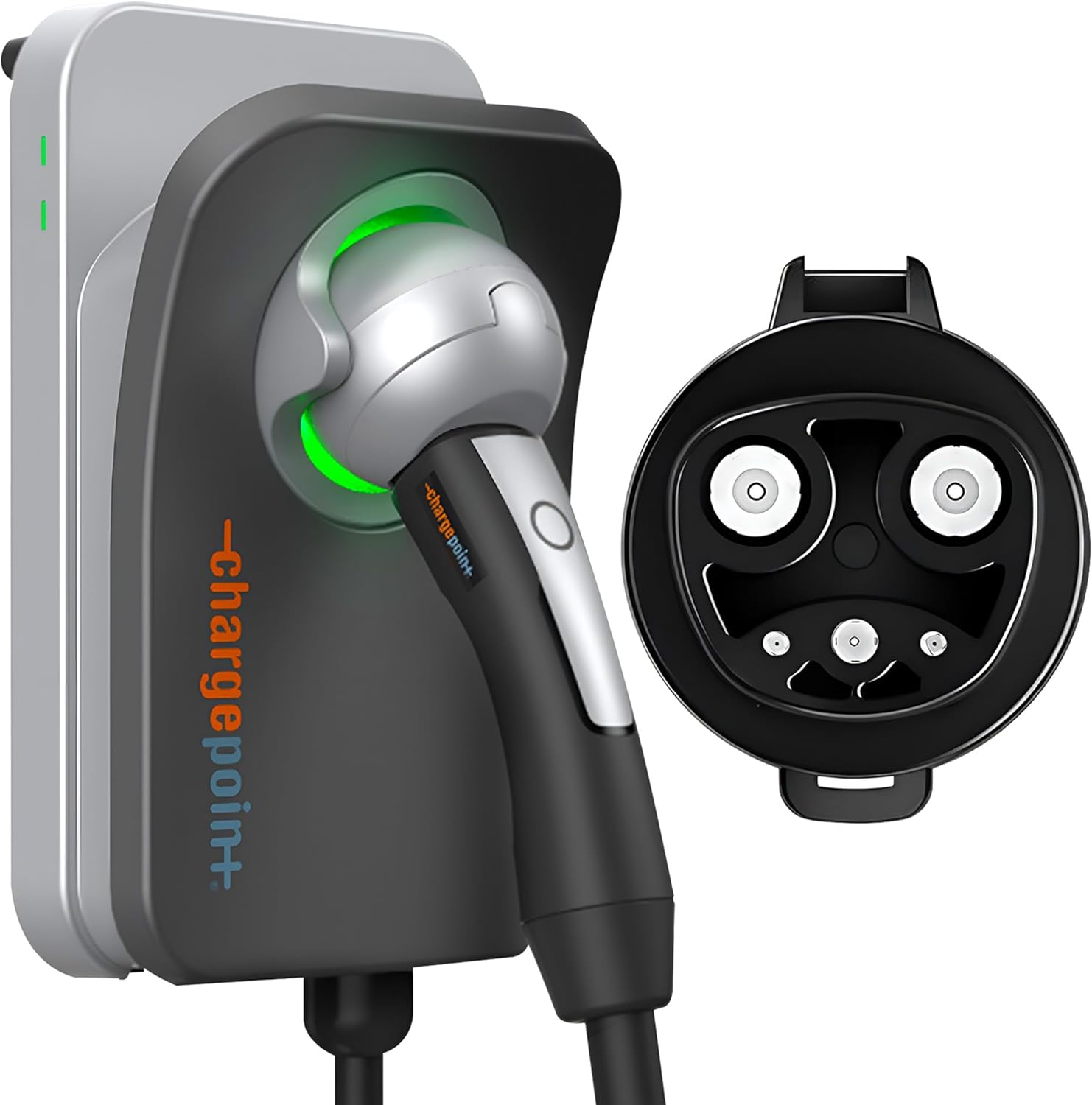
Each major charger type is covered in detail: Tesla Wall Connector, ChargePoint Home Flex, JuiceBox, and all J1772-compatible models. You'll get vehicle-specific recommendations for Tesla, Ford Mustang Mach-E, Chevy Bolt, Nissan Leaf, and more. The cost breakdowns show exactly what professionals charge for labor, materials, and permits, so you can decide which parts to DIY and which to leave to a licensed electrician.
Safety is a major focus. The book emphasizes when professional installation is non-negotiable, such as when your panel needs a service upgrade or when load calculations reveal overload risks. It includes detailed load calculation worksheets and common code violations to avoid. Troubleshooting guides and equipment checklists simplify complex concepts, making the process less intimidating.
One limitation is that the book focuses exclusively on Level 2 home charging. It doesn't cover Level 1 charging or public charging networks. Also, some readers might prefer online video tutorials, but the text-based diagrams and checklists are thorough. For those comfortable with basic electrical work, this guide can save hundreds and give you confidence in your installation.
Overall, this is a practical, no-nonsense resource for EV owners who want to take control of their home charging setup. It's not a portable electronic device, but it's a valuable tool for DIYers, homeowners, and anyone looking to reduce their EV ownership costs. If you're planning to install a charger yourself, this guide will help you do it right the first time.
This guide is best for homeowners, DIYers, and new EV owners who want to install a Level 2 charger themselves. It's also useful for budget-conscious buyers looking to save on professional installation costs. Contractors and electricians may find it useful as a reference for code compliance, but it's primarily written for the non-professional.
FAQs
Does a 48-amp hardwired charger cost more to install than a 40-amp plug-in unit?
Yes, a 48-amp hardwired station generally incurs higher installation expenses because it requires a dedicated 60-amp circuit breaker and heavy-gauge copper wiring. Under the National Electrical Code 80 percent continuous load rule, drawing 48 amps continuously demands thicker 6 AWG wire and permanent conduit connections. A 40-amp plug-in station operates on a standard 50-amp breaker with a NEMA 14-50 outlet, which is often faster and less labor-intensive for an electrician to wire.
How much does an electrical panel upgrade add to the total project?
An electrical service panel upgrade typically adds between $1,500 and $3,000 to the total home car charging station cost when a house runs on an older 100-amp panel. Modern Level 2 EVSE hardware requires significant electrical headroom, often making a 200-amp service upgrade necessary to prevent circuit overloads. Residences that already possess ample capacity in their main breaker box can bypass this cost by simply adding a dedicated two-pole 240V breaker.
Can off-peak Wi-Fi scheduling lower monthly operating costs in 2026?
Yes, taking advantage of automated charging schedules during overnight off-peak hours significantly reduces monthly utility bills. Many power companies offer time-of-use rate structures where kilowatt-hour prices drop substantially late at night. Wall units equipped with smart phone apps or delay timers allow you to plug in your vehicle immediately while delaying power delivery until low-cost off-peak windows begin.
Do utility rebates help offset residential equipment expenses?
Yes, many regional electric utilities offer equipment rebates between $200 and $500 for qualifying Level 2 charging units. These utility incentives usually require equipment to hold Energy Star certification or recognized safety listings like UL or ETL. Submitting itemized purchase receipts alongside professional installation invoices typically fulfills the qualification criteria for these cash rebates.
What should drivers do if their primary home charging station stops working?
Drivers can switch to portable backup cables or review techniques on how to charge a car battery without a charger during unexpected outages. Keeping a secondary Level 1 or portable Level 2 cord in your vehicle ensures that a breaker trip or hardware glitch will not leave you without transportation. In many cases, using the external reset button on modern wall units quickly clears temporary ground faults without requiring a technician visit.




Write Your Review
No reviews yet. Be the first to share your experience!