

Effortless Cockpit Power and Hands-Free Navigation
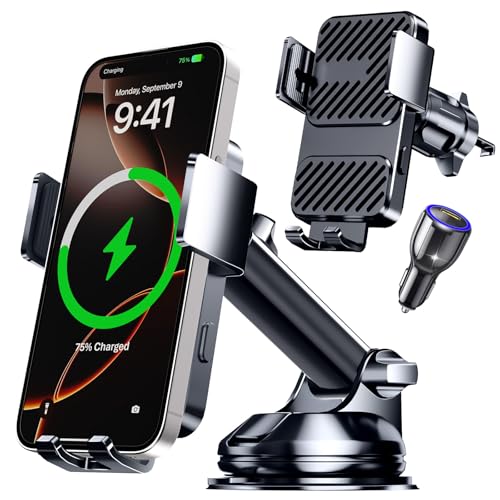
Nothing ruins a morning commute faster than hitting a sudden pothole and watching your smartphone tumble off the dash into the footwell. Road vibrations, weak suction mounts, and sluggish trickle charging turn what should be effortless navigation into an ongoing distraction. That is why picking the best wireless phone charger for car makes all the difference for reliable turn-by-turn directions and steady battery replenishment on the highway. Instead of juggling loose cords that tangle around the gear shifter, modern cradles combine 15W fast wireless charging with rock-solid mounting hardware to keep your screen in view without draining power.
Based on product specifications and user feedback, top vehicle mounts prioritize intelligent auto-clamping arms and strong MagSafe magnetic alignment to stop devices from shifting out of the charging sweet spot. Proper coil positioning prevents excess heat buildup, which otherwise forces your phone to throttle charging speeds while running navigation apps. Drivers who need portable off-grid power often carry a portable wireless charger for backup battery needs, but an in-car cradle ensures seamless daily commutes. Evaluating manufacturer power profiles and foreign object detection guarantees reliable power without risking handset battery health.





Frequently Asked Questions
Do wireless car chargers deliver 15W fast charging to every phone?
No, wireless car mounts adapt wattage output to your specific phone model and power supply. Most models output up to 15W for compatible LG phones, 10W for Samsung Galaxy devices, and 7.5W for iPhones. Achieving these fast rates also requires plugging the mount into an 18W or Quick Charge 3.0 vehicle adapter rather than a low-power built-in USB port.
Can I charge my phone through a thick protective case?
Yes, standard car mounts support wireless induction through silicone or plastic cases up to 4mm thick. Metal attachments, credit cards, and thick kickstands will disrupt the induction field and stop charging. Drivers using extra-bulky armor often switch to slim magnetic covers or explore protective battery cases for reliable road charging.
Why does a wireless car charger flash its LED indicator light?
Foreign object detection triggers a flashing LED when sensors detect interference between the charger and your phone. Metal plates, wallet sleeves, or misaligned charging coils cause the unit to halt current immediately to prevent overheating. Adjusting the bottom cradle foot to align your phone with the charging coil usually resolves the issue.
How do motorized auto-clamping mounts open when the car engine is turned off?
Many auto-clamping car mounts feature built-in power capacitors that store residual electricity after your engine shuts off. Pressing the quick-release side buttons opens the motorized arms even without active vehicle power. Models lacking internal capacitors require tapping the release switch before turning off your ignition key.
Why do phones get hot while charging on a vehicle dashboard?
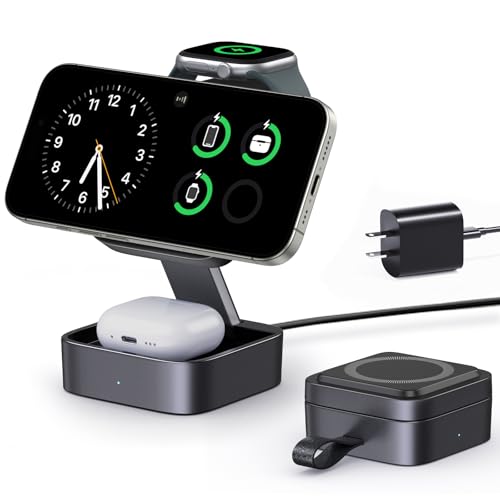
Solar heat through your windshield combined with wireless induction and GPS processing quickly raises device temperature. Well-designed cradles feature integrated cooling vents to dissipate heat during hot drives. While desk setups manage thermals using stationary multi-device charging stations indoors, attaching your car charger to an air vent keeps airflow circulating around your battery.




Write Your Review
No reviews yet. Be the first to share your experience!