

Getting stranded on a dark backcountry trail with a drained navigation device quickly exposes the risks of off-grid travel. Carrying an external battery pack equipped with solar trickle charging and built-in lighting solves this vulnerability without cluttering your rucksack. When evaluating your gear budget, analyzing the solar charger light price balance helps adventurers secure dependable capacity without paying for hollow marketing gimmicks. Based on our detailed comparison of rated wattage, port configurations, and verified user feedback, high-capacity backup banks deliver crucial energy independence during severe storm blackouts or multi-day excursions.
Modern off-grid gear combines multi-port versatility, rapid Power Delivery protocols, and weather-resistant casings into a single portable housing. If you routinely pack a portable charger for travel across unpredictable terrains, having integrated multi-mode LED illumination provides instant safety during late campsite setups or roadside breakdowns. Built-in protection chips continuously regulate current and internal temperatures, safeguarding expensive electronics during high-output sessions. Investing in a resilient power solution keeps essential electronics ready when grid electricity fails.

Frequently Asked Questions
How does solar charger light price relate to battery capacity and output speed in 2026?
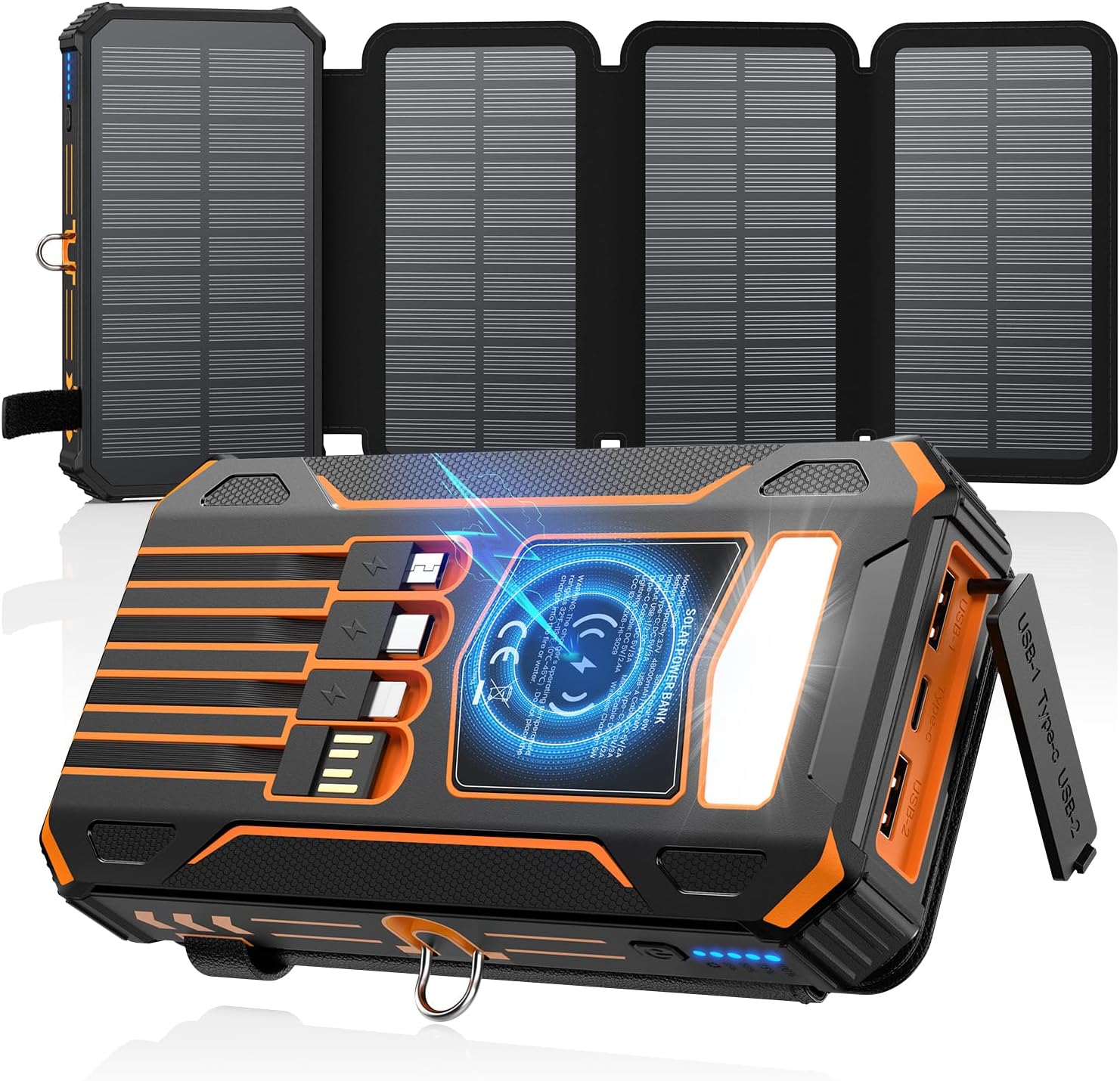
Higher battery capacity and fast-charging capabilities naturally dictate overall hardware value. Models equipped with 49800mAh high-density lithium polymer cells and 22.5W fast output require more advanced circuitry than entry-level packs. Evaluating the solar charger light price against features like multiple integrated cables and wireless pads ensures you get durable off-grid performance without paying for unnecessary extras.
Can the integrated emergency LED flashlight withstand severe rain?
Yes, solar battery lights built with an IP65 weather rating handle heavy rain, splashing water, and dust without failing. Sealed rubber gaskets protect the delicate internal circuitry during adverse weather. The steady, SOS, and strobe lighting modes remain fully accessible for trail navigation or emergency signaling as long as protective port flaps stay tightly closed.
How quickly can a 22.5W portable battery charge modern smartphones?
Supported fast-charging connections can recharge compatible devices to roughly 60 percent in about 30 minutes. Much like high-performance portable chargers for iPhone 14 models, using the dedicated 20W USB-C output provides rapid, stable power delivery. An integrated smart IC chip manages voltage flow to protect sensitive device batteries from excessive heat and surges.
Should you charge a solar power bank with wall power before a trip?
Yes, recharging via an AC wall adapter or standard USB port is the fastest method to fill large power reserves. Small integrated solar panels function as emergency trickle chargers under direct sun rather than daily primary inputs. Understanding how many volts in a phone charger feed your battery pack ensures quick, efficient wall replenishment before hitting the trail.
What are the practical benefits of built-in charging cables on the trail?
Built-in output cables eliminate the frustration of tangled cords or forgotten charging accessories in the backcountry. Dedicated iOS, Type-C, and Micro-USB leads stay securely nested against the chassis during transit. This integrated setup allows hikers to connect navigation devices, phones, and headlamps directly without rummaging through pack pockets.



Write Your Review
No reviews yet. Be the first to share your experience!