

Continuous Solar Power for Security and Trail Surveillance
Climbing a tall ladder every month to recharge an outdoor camera battery disrupts home security and wastes valuable weekend hours. Cold temperatures, heavy motion alerts, and routine live-view streaming drain lithium cells rapidly, leaving blind spots along driveways and fence lines. While carrying a portable charger for travel keeps handheld electronics powered during quick getaways, stationary outdoor gear demands continuous direct sunlight. Equipping your surveillance setup with the best solar charger for camera batteries provides steady trickle charging that keeps devices operational through every season. High-efficiency monocrystalline panels and regulated DC outputs maintain optimal reserves without manual intervention.
Careful analysis of manufacturer specifications and outdoor user feedback shows that voltage compatibility and weatherproofing dictate long-term reliability. A trail camera deep in the woods requires rugged IP66 protection and dedicated lithium storage, whereas residential doorbells rely on specialized mounting brackets and fork connectors. Premium solar units feature durable ABS housings, flexible 360-degree swivels, and insulated cables built to survive rain, snow, and summer heat. Investing in the right best solar charger for camera batteries protects your property by ensuring continuous recording without unexpected voltage drops.


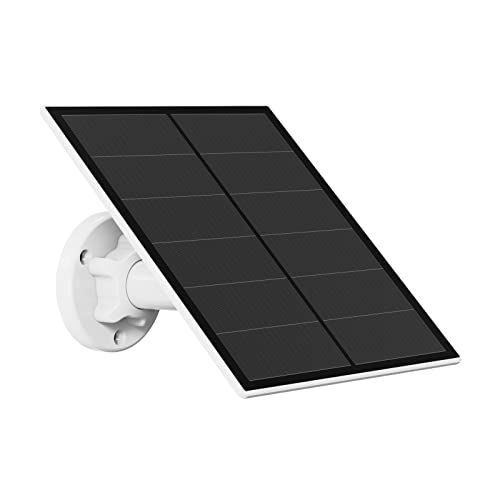

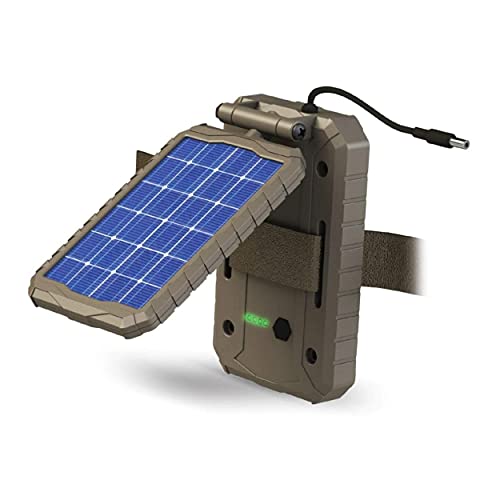

Frequently Asked Questions About Best Solar Charger For Camera Batteries
Can a solar panel keep a camera battery fully charged continuously?
Yes, a properly positioned panel delivers steady trickle charging that offsets typical daily camera power usage. Most security cameras consume power intermittently, allowing a 3W to 5W solar unit to replace expended energy during daylight hours. Device manufacturers often program batteries to begin charging only after capacity drops below ninety percent to maintain cell health.
What voltage output do trail cameras and security cameras require?
Most outdoor cameras operate on 5V USB power, 6V DC, or 12V DC connections depending on brand design. Matching system voltage prevents component strain, just as checking how many volts in a phone charger avoids overvolting sensitive smartphones. Trail cameras with infrared night flash often require 12V power, while standard residential units run on 5V or 6V inputs.
Do solar chargers for cameras work during cloudy or rainy weather?
Solar panels generate reduced electrical current under cloud cover by capturing diffused ambient sunlight. Output drops substantially compared to clear midday sun, but trickle charging still reaches the connected battery. While drivers store a portable charger for car emergencies, outdoor solar gear with integrated lithium storage helps bridge prolonged stormy spells.
How many hours of direct sunlight does a camera solar panel need daily?
Most outdoor camera solar chargers require three to four hours of unshaded direct sunlight each day. Shading from trees, roof overhangs, or gutters significantly reduces daily milliampere generation. Utilizing a 360-degree adjustable mounting bracket ensures you can angle the panel toward the strongest sun exposure.
What is the advantage of a solar panel with a built-in battery pack?
An integrated battery stores solar energy during peak midday hours and feeds regulated power overnight. This built-in buffer prevents voltage dropouts, which is critical for cellular trail cameras transmitting images over cellular networks. Units without internal storage must rely entirely on the camera’s internal battery to survive long stretches of darkness.


Write Your Review
No reviews yet. Be the first to share your experience!