

Plugging automotive accessories into standard household receptacles often creates a frustrating power mismatch, especially when low-amperage adapters shut down under the strain of tire inflators or mini-fridges. Many drivers want to run their 12V vehicle accessories inside the house or garage without hauling a heavy automotive battery indoors, but it isn’t always obvious which converter can handle the electrical draw. Sorting through the market for a dependable car charger to wall outlet best buy requires checking continuous wattage thresholds, peak motor surge capacity, and thermal heat dissipation. Based on manufacturer specifications and user feedback, choosing an adapter with built-in overload protection prevents sudden circuit shutdowns during high-draw tasks. If you frequently transition between road trips and home use, pairing your setup with a dedicated portable charger for car electronics ensures you never get stranded without essential gear.
Understanding the difference between a simple 500mA socket adapter and a heavy-duty 10A converter saves both money and equipment from permanent electrical damage. Low-power 6W wall plugs work fine for GPS navigators or dash cameras, but high-draw devices like portable coolers demand stable 120W power delivery bricks with active cooling fans. Careful analysis of product specifications shows that verifying how many volts in a phone charger and matching exact amperage prevents dangerous voltage drops across your cables. Looking closely at listed safety ratings like ETL certification helps guarantee that your household power supply handles extended charging sessions safely. That peace of mind lets you keep your vehicle electronics running smoothly from any standard wall socket.



Frequently Asked Questions
Can a 500mA car charger to wall outlet adapter power a car vacuum cleaner or tire inflator?
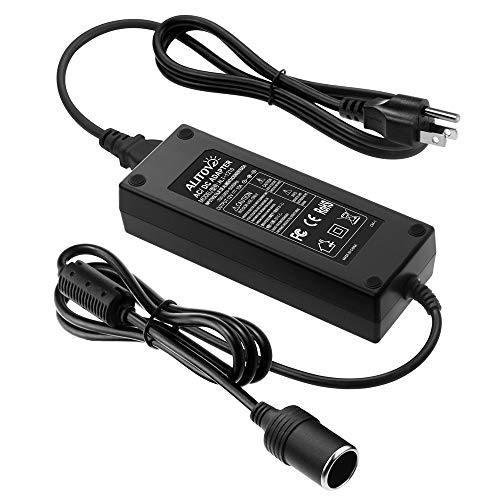
No, a 500mA adapter delivers only about 6W of maximum power, which is far too low for motorized car appliances. Tire inflators and vacuum cleaners typically draw between 8A and 10A at 12V, meaning they require at least 100W to 120W to operate safely. Using a small 6W wall plug with these tools will trigger automatic overload shutoff or risk burning out the transformer.
What is the main difference between an AC to DC converter and a car power inverter?
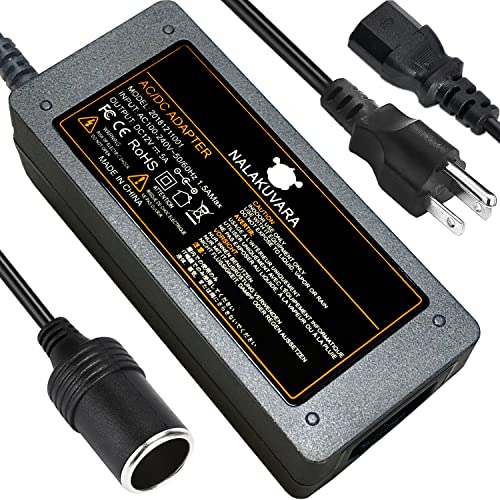
An AC to DC converter takes standard 110V or 220V household wall power and transforms it into 12V DC power for car accessories. In contrast, a vehicle inverter does the exact opposite by converting 12V DC power from your car cigarette lighter socket into standard 110V AC household electricity. Both solve power bridging problems, but you must choose the direction of conversion that matches your power source.
Will a high-wattage 120W AC to DC power adapter damage low-draw 12V devices?
No, devices only draw the amperage they actually need from a power supply. A 12V 10A adapter can easily power a 12V dashcam drawing just 1A without causing electrical damage because the voltage remains identical. The wattage rating represents the maximum capacity of the converter rather than a forced electrical current.
Do these adapters support fast charging for laptops and smartphones through USB-C?
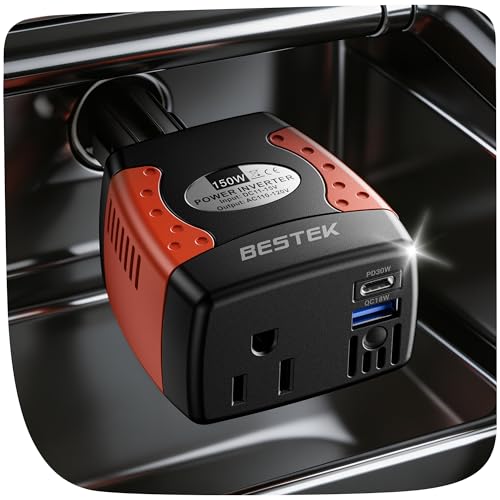
Yes, several modern units feature dedicated USB-C Power Delivery ports alongside traditional sockets. Models like the BESTEK 150W inverter supply independent 30W PD and 18W Quick Charge ports that can fast charge a laptop and smartphone simultaneously. When preparing mobile power setups for trips, pairing these with a portable charger for travel ensures reliable backup power wherever you stay.
Why do some car power adapters have built-in cooling fans?
Cooling fans prevent internal transformers and semiconductor circuits from overheating during sustained high-wattage operation. Converting high voltage AC to DC or stepping up 12V DC generates thermal waste that must dissipate quickly to avoid component throttling. Smart cooling fans adjust their rotation speed based on real-time temperature and electrical load to maintain safe operating conditions.
How do I know which Car Charger To Wall Outlet Best Buy model to buy for my car electronics in 2026?
Check the rating label on your automotive appliance to find its exact voltage, amperage, or wattage consumption before purchasing. If your device draws under 36W, an ultra-compact adapter is ideal, but motor-driven devices require at least a 120W rated unit with overcurrent protection. Matching your device peak surge current to the adapter capacity guarantees dependable performance and prevents premature hardware failure.


Write Your Review
No reviews yet. Be the first to share your experience!