

A phone running low far from an outlet is a practical reminder to check capacity and charging options before choosing a power station. The phrase Battersea Power Station Redevelopment Cost refers to Battersea’s redevelopment, not portable battery equipment, so this roundup instead compares four listed portable power stations for buyers seeking backup or off-grid power. The options range from a compact 88.8Wh MARBERO model to an EBL unit listing 1843.2Wh capacity and 2400W output. Those figures describe different things: watt-hours indicate stored energy, while watts describe output. For a separate look at portable device charging, see this power bank guide for laptops and phones.
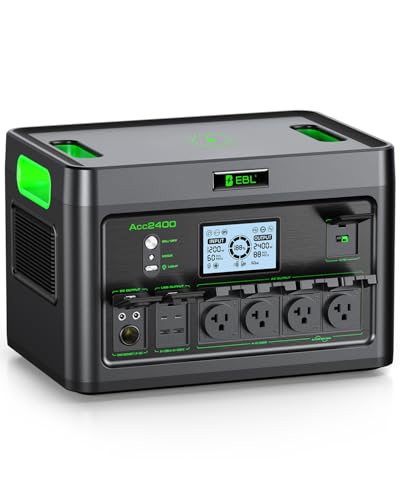
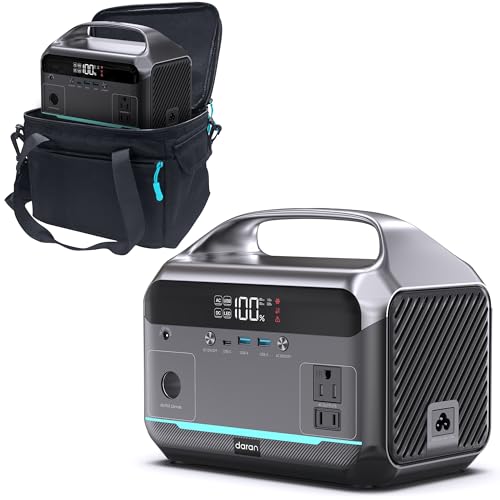
Product descriptions also list different port selections, charging methods, weights, and battery chemistries, which can matter as much as headline capacity. The DARAN Portable Power Station lists 288Wh, 350W rated output, and an 8.2-pound weight; the EnginStar model lists 296Wh, 300W AC output, and weighs 6.5 pounds. MARBERO emphasizes compact dimensions and wall, car, or solar recharging, while EBL is the higher-capacity, heavier option among these listings. Manufacturer descriptions provide useful comparison points, but they don’t establish runtime for your particular devices. Check each device’s power requirements and the station’s supported ports before buying, especially for outage backup or equipment with demanding loads.


Pros
- Lightweight and compact at 6.5 lbs, easy to carry for camping, RV trips, or emergency kits
- Pure sine wave AC output protects sensitive electronics like CPAP machines and laptops
- Multiple charging options (AC, car, solar) provide flexibility for various scenarios
- Good value for a 300W/296Wh unit with 1481 positive reviews and 4.3-star rating
Cons
- USB-C limited to 18W, insufficient for fast charging most laptops (recommend using AC outlet)
- Solar panel not included; must purchase separately for off-grid charging
- 296Wh capacity may not support high-power appliances like mini-fridges or coffee makers for long periods
The EnginStar R300 Portable Power Station is a compact yet capable backup battery designed for outdoor enthusiasts, RV owners, and emergency preppers. With a 296Wh (80000mAh) lithium-ion battery and a 300W pure sine wave inverter, this unit provides clean, stable power for a variety of small to medium electronics. It's particularly well-suited for campers who need to charge phones, tablets, cameras, and CPAP machines overnight, or for homeowners facing short power outages.
Based on product specifications and user feedback, the R300 delivers reliable performance for its size. The pure sine wave AC output ensures safe operation for sensitive devices like laptops and medical equipment, while the dual USB ports (including an 18W USB-C) and regulated 12V/24V DC outputs handle everything from smartphones to car vacuums. The built-in digital display shows remaining battery percentage and output wattage, making it easy to manage power usage during a weekend camping trip or a roadside emergency.
Portability is a standout feature: at just 6.5 pounds and measuring 9 x 5.5 x 7.6 inches, the R300 fits easily in a backpack, under a car seat, or in an RV cabinet. The sturdy handle and rubberized corners add durability for outdoor use. Charging is flexible via wall outlet (80% in about 2 hours), a car's 12V socket, or any compatible 12-25V solar panel (sold separately), making it a practical choice for van lifers and off-grid adventurers.
The advanced battery management system (BMS) protects against short circuits, overcharging, and overload, giving users peace of mind when powering expensive gear. The included accessories (wall charger, car cable, manual) make setup straightforward. However, the 296Wh capacity limits runtime for high-draw devices like mini-fridges or electric grills, and the USB-C output at 18W is not sufficient for fast charging most laptops (using the AC outlet is recommended instead).
Overall, the EnginStar R300 is a solid entry-level portable power station for those who need a lightweight, reliable backup for camping, road trips, tailgating, or emergency preparedness. It's an excellent gift for outdoor enthusiasts or anyone looking for a budget-friendly way to keep essential devices powered without the noise and fumes of a gas generator.
The EnginStar R300 features a 296Wh (80000mAh) lithium-ion battery with over 1000 charge cycles. Estimated runtime for common devices: phone (12 charges), tablet (5 charges), laptop (2.5 charges), camera (23 charges), or a 25-hour LED light. For a 50W CPAP machine, expect roughly 5 hours of use (based on 296Wh x 0.85 efficiency). The battery management system optimizes performance and safety, and the unit should be recharged every 2-3 months when stored.
Weighing only 6.5 pounds and measuring 9 x 5.5 x 7.6 inches, the R300 is one of the most portable 300W power stations on the market. The compact size fits easily in a backpack, glove compartment, or camping gear. A sturdy top handle and rubberized corners make it easy to carry and resistant to minor bumps. The front panel includes a digital display, LED flashlight, and clearly labeled ports for quick access.
Questions to Ask Before Choosing a Power Station
What does the listed capacity tell me about runtime?
Capacity gives a watt-hour (Wh) figure, not a guaranteed runtime. The MARBERO lists 88.8Wh, while EBL lists 1843.2Wh; actual runtime depends on the connected device and operating conditions, so don’t estimate it from capacity alone.
How should I compare capacity with AC output?
Compare both figures, because watt-hours and watts measure different things. DARAN lists 288Wh and 350W rated output, while EBL lists 1843.2Wh and 2400W output; confirm your device’s load and the product’s continuous output.
Can these stations run a refrigerator or medical device?
Not enough information is provided to confirm that for every model or device. Check the appliance’s operating requirements against the station’s output and ports; for medical equipment, verify its needs with the manufacturer before relying on backup power.
Can I recharge a station from a wall outlet, car, or solar panel?
Product descriptions list wall, vehicle, and solar charging for some models, but options differ. MARBERO lists all three methods, and DARAN describes wall, car, and solar charging; its solar panels and car cable are sold separately.
Which model is easier to carry for camping or travel?
Weight and dimensions offer a useful starting point, but portability depends on your setup. MARBERO lists 2.27 pounds, EnginStar 6.5 pounds, DARAN 8.2 pounds, and EBL 55 pounds; compare these details with your available carrying space.
Can I charge several devices at the same time?
Port selection varies, so check the exact model before planning simultaneous charging. EBL lists AC, USB-A, USB-C, car, and DC ports, while EnginStar lists eight output ports; the devices’ combined demand still needs to fit its output limits.
Where can I compare smaller charging options?
A portable power bank may be a more compact choice for phones and laptops, depending on its specifications. This portable Qi wireless charger roundup covers another charging format, but it isn’t a substitute for checking power station capacity and output.




Write Your Review
No reviews yet. Be the first to share your experience!