

Dependable Off-Grid Energy for Remote Adventures and Outages
Dead phone screens miles away from the trailhead can turn an enjoyable backcountry afternoon into a stressful navigation scramble. You set out with a full battery, but mapping apps, GPS tracking, and sudden cold snaps drain power much faster than anticipated. Having a reliable best affordable solar charger in your backpack ensures you can harvest clean sunlight to keep essential electronics running when electrical outlets are out of reach. Many outdoor enthusiasts rely on a dependable portable charger for travel, yet pairing internal battery storage with integrated solar cells adds an extra layer of self-reliance for extended trips.
Based on our detailed comparison of rated wattage, port configurations, and real-world user feedback, modern solar power units have improved significantly in both speed and resilience. Contemporary designs now combine high-efficiency monocrystalline solar cells with USB-C Power Delivery up to 20W or 22.5W, allowing quick top-ups for modern smartphones. Durable IP65 water resistance and tough composite housings also protect sensitive charging ports against unexpected downpours and trail grit. Whether you need an emergency reserve for seasonal storms or continuous off-grid power for multi-day hikes, picking the right balance of battery capacity and solar intake keeps your gear ready without adding unnecessary pack weight.


Pros
- Wireless charging works with most phones and AirPods, adding convenience.
- 20W fast charging via USB-C quickly tops up devices.
- Dual LED flashlight is bright and includes SOS mode for emergencies.
- Rugged build with IPX5 waterproof rating and shockproof design.
- Compact and lightweight for easy portability on hikes or in a bag.
Cons
- Solar charging is very slow; it's best used as a backup, not a primary charging method.
- 10,000mAh capacity may not be enough for multiple device charges on longer trips.
- Wireless charging pad placement can be finicky and requires precise alignment.
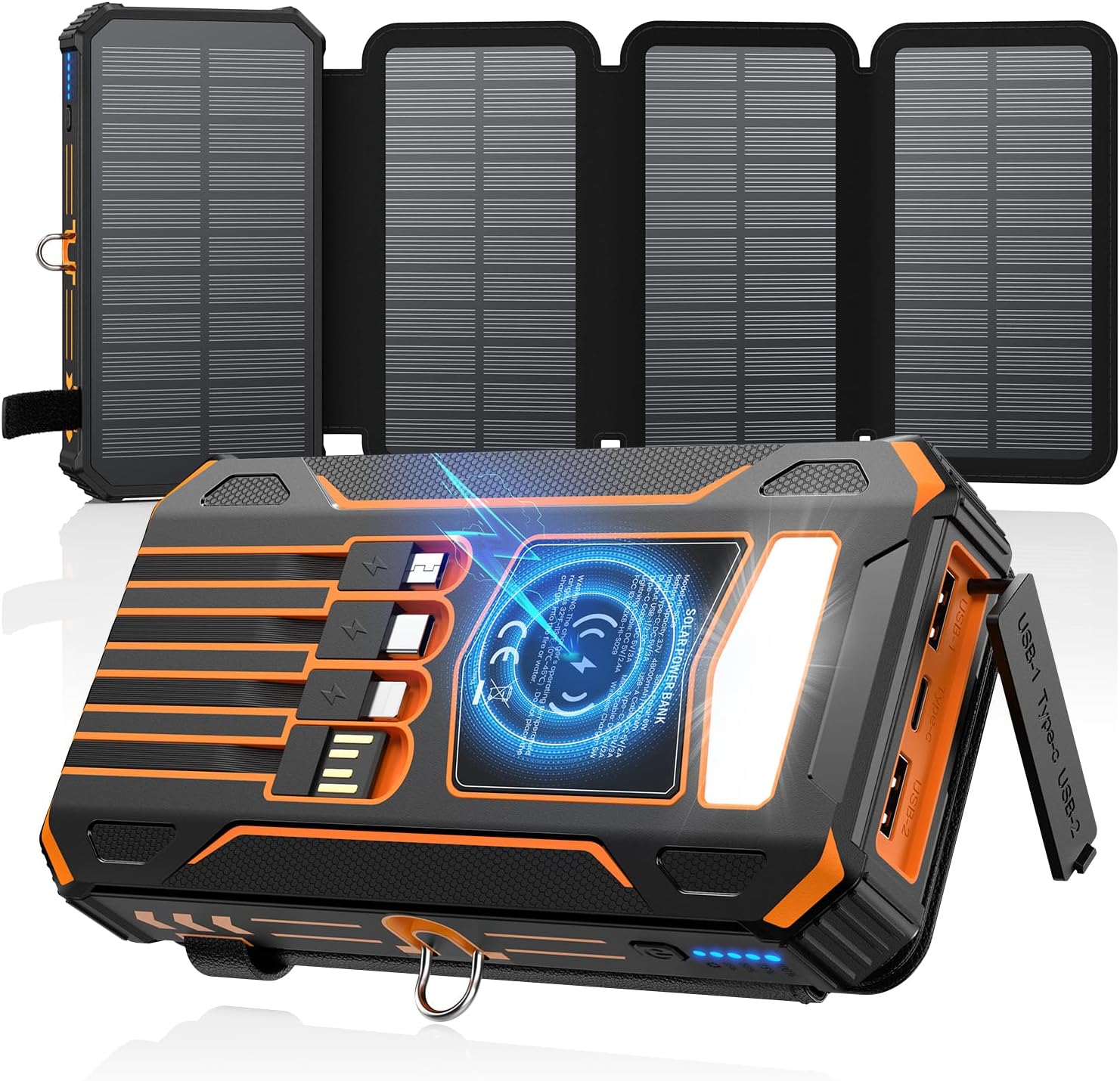
The BLAVOR Solar Power Bank is a versatile portable charger designed for outdoor enthusiasts, campers, hikers, and anyone who needs reliable backup power away from wall outlets. With a 10,000mAh capacity, it offers enough juice to charge a typical smartphone two to three times, making it suitable for weekend camping trips, day hikes, or emergency preparedness kits. Its standout features include built-in wireless charging up to 10W and a 20W USB-C fast charging port, which can bring an iPhone 15 to 65% in just 30 minutes according to the manufacturer.
In terms of battery performance, the real-rated capacity ensures you get the full 10,000mAh, and the power bank holds its charge well over time. The 20W USB-C output is a major plus for fast charging recent smartphones and tablets. The wireless charging pad works with most Qi-compatible devices, including AirPods, though placement requires a bit of care. The integrated solar panel is a nice backup, but it's slow (max 0.23A) and best used to trickle charge the bank over a full day in direct sunlight. Most users will rely on the included USB-C cable for primary charging.
Build quality is a highlight. The outer shell uses flame-retardant ABS and PC materials, with a rubberized skin-feel coating that provides a comfortable grip. It's rated IPX5 waterproof, meaning it can handle rain, splashes, and dusty conditions without issue. The dual LED flashlight is surprisingly bright and features a steady mode and SOS flashing, which is handy for tent setup, night walks, or signaling. A built-in compass carabiner adds extra utility for clipping to a backpack or belt loop.
Portability is excellent: the unit weighs just 9.3 ounces and measures 5.9 x 3.1 x 0.8 inches, easily slipping into a pocket or small pouch. The four LED battery indicators give a clear readout of remaining charge. Operation is simple: press the power button to check battery level or start charging. The power bank is also airline approved, so you can bring it on flights without hassle.
Realistically, the solar charging is not a primary power source; it's a useful emergency trickle. The 10,000mAh capacity is adequate for a day or two of moderate use, but heavy users may want a larger capacity. The wireless charging pad works well but can be a bit finicky with phone cases. Overall, the BLAVOR power bank is a well-rounded, affordable option for campers, hikers, and anyone building a go-bag for emergencies.
For its price, this power bank offers great value. It's a practical gift for outdoor lovers, a reliable companion for short trips, and a solid addition to any emergency kit. If you need a durable, compact, and feature-rich portable charger, the BLAVOR Solar Power Bank is a strong choice.
Frequently Asked Questions
How long does it take for an integrated solar panel to recharge a power bank?
Small integrated solar panels take several days of direct sunlight to fully recharge a large internal battery pack. The primary purpose of compact built-in solar cells on portable chargers is emergency trickle charging rather than daily full cycling. For regular charging, you should charge the internal battery via a standard wall outlet before leaving home. Direct sunlight then provides emergency supplemental energy when you are off the grid.
Can a best affordable solar charger fast charge modern smartphones?
Yes, modern models support fast charging through high-output USB-C Power Delivery and Quick Charge protocols. Units offering 20W to 22.5W outputs can charge compatible phones up to 60 percent in about 30 minutes. If you want to know how voltage affects charging speed, understanding how many volts in a phone charger helps explain how wattage ratings deliver faster top-ups.
Do solar chargers still work on cloudy days?
Yes, solar panels can generate electricity under overcast skies, but output drops noticeably compared to full sun. Grade A+ solar cells still convert ambient ultraviolet and diffuse daylight into a gentle trickle charge. However, dense cloud cover significantly slows charging speeds, so positioning panels at an angle toward the brightest patch of sky yields the best results.
What is the difference between a solar power bank and a 12V solar maintainer?
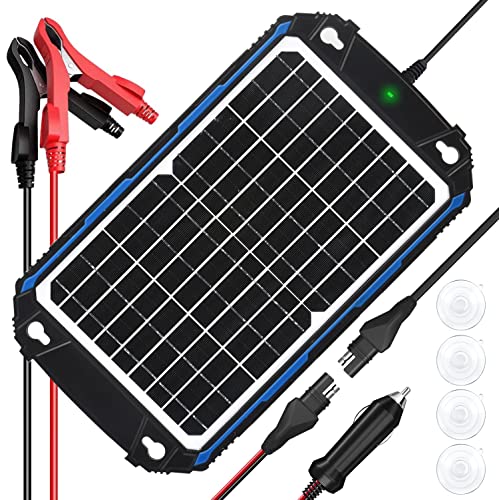
A solar power bank stores energy in an internal lithium battery to recharge small USB electronics, whereas a 12V solar maintainer directly conditions vehicle lead-acid or lithium batteries. Dedicated trickle panels, such as the SUNER POWER 12W kit, utilize smart MPPT controllers to prevent discharge on boat or RV batteries. Drivers who want emergency automotive jump power usually carry a portable charger for car systems, while solar maintainers focus on steady long-term battery preservation.
Can solar chargers operate effectively through a window?
No, standard window glass filters out significant solar radiation and reduces panel output by up to 50 percent. Modern low-emissivity residential and automotive glass blocks specific light wavelengths required by photovoltaic cells to produce power. For peak efficiency, place your solar charger outdoors under direct, unfiltered sunlight.
What water resistance rating is needed for outdoor solar gear?
An IPX5 or IP65 rating provides ample protection against splashes, dust, and sudden rain showers on the trail. An IPX5 build resists low-pressure water jets from any direction, while an IP65 rating adds complete dust-tight sealing. While these rugged enclosures survive wet weather, you must ensure the rubber port covers remain firmly closed during storms.


Write Your Review
No reviews yet. Be the first to share your experience!