

Reliable Off-Grid Solar Power for Security and Field Gear
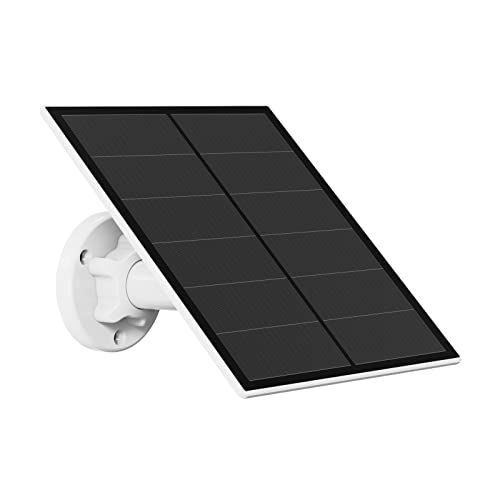
Dead security cameras and depleted batteries create frustrating surveillance gaps around cabins, backyards, and remote perimeters. Running permanent electrical wiring out to fence lines or sheds gets expensive fast, which makes off-grid solar equipment an ideal fix. Monocrystalline silicon cells capture ambient sunlight even on partly hazy mornings, delivering dependable trickle power directly to surveillance gear. Upgrading to the best outdoor solar charger saves you from climbing wobbly ladders every month to swap batteries. If you already rely on a portable charger for travel, you know how valuable dependable remote power really is.
Careful analysis of manufacturer hardware specifications shows that durable weatherproofing separates reliable panels from those that quit after one severe storm. Quality units combine IP65 water resistance with tempered glass and 360-degree mounting brackets for precise sun tracking. Generous cable runs let you mount panels in open sunlight while concealing cameras safely in the shade. Reviewing electrical basics like how many volts in a phone charger helps ensure your solar setup supplies steady 5V direct current without unexpected voltage cuts.




Frequently Asked Questions
Can a Best Outdoor Solar Charger keep security cameras running during winter?
Yes, solar panels continue producing electricity during cold weather as long as daylight reaches the monocrystalline cells. Freezing ambient temperatures do not harm photovoltaic conversion, though shorter winter daylight hours reduce overall daily energy harvest. Angling the adjustable mounting bracket toward the lower seasonal sun maximizes light capture.
Why does my camera battery stop charging once it reaches 90 percent?
Smart security cameras use internal battery protection firmware that intentionally halts solar charging near full capacity. Devices from brands like Ring delay charging until power drops below roughly 90 percent to prevent lithium-ion cell degradation. This automatic safeguard reduces continuous thermal stress and extends overall battery lifespan.
Can you charge smartphones directly from a 5V camera solar panel?
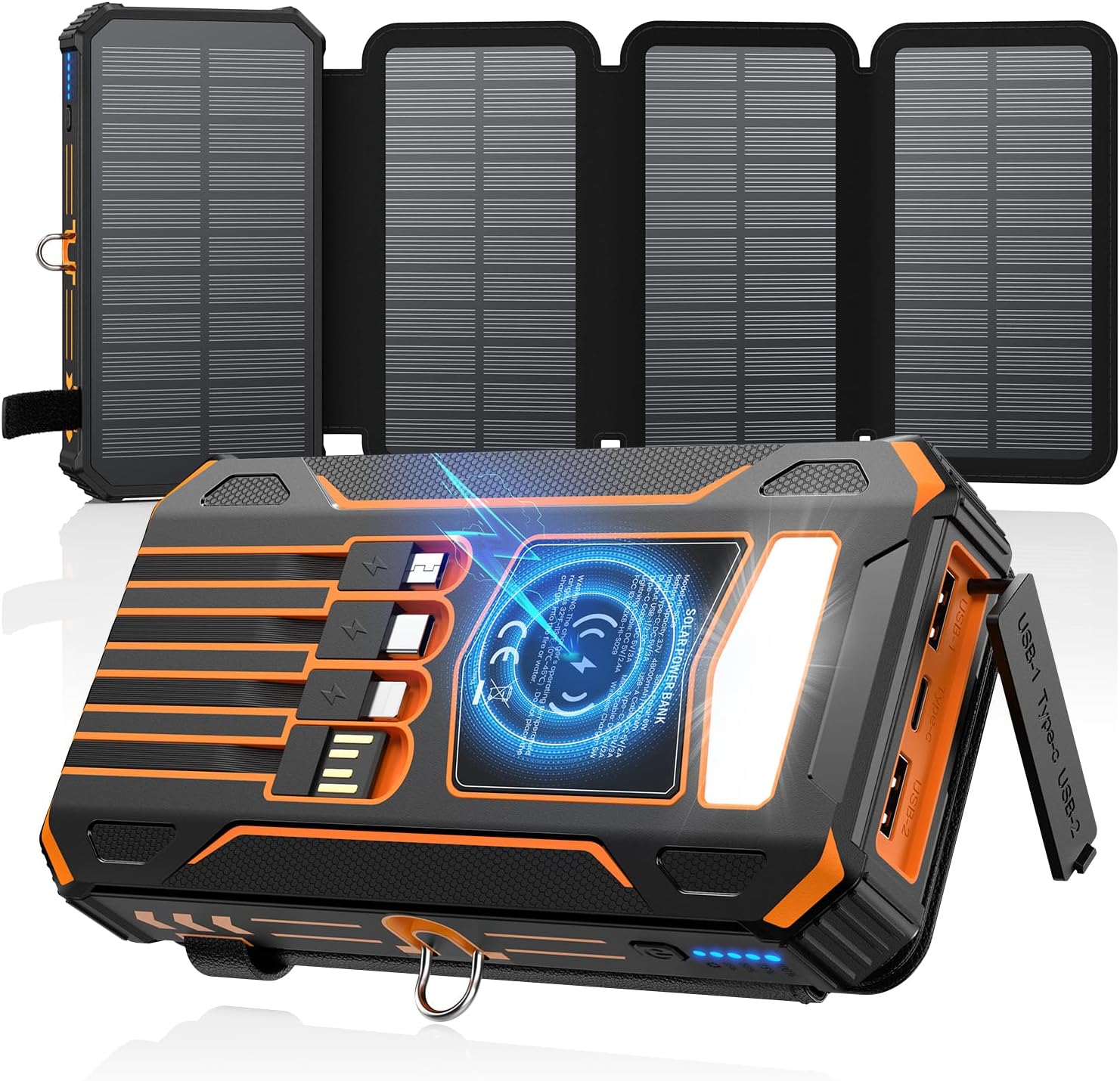
Direct phone charging works through compatible USB-C ports, but small 4W to 6W panels charge modern mobile devices quite slowly compared to dedicated portable chargers for iPhone 14 models. Security camera panels provide around 5V 1A output, which is optimized for continuous trickle maintenance rather than rapid device replenishment.
How does an IP65 rating protect outdoor solar equipment?
An IP65 rating confirms the solar panel enclosure resists dust ingress and withstands pressurized water sprays from heavy rainstorms. Watertight silicone gaskets and sealed cable plugs keep moisture out of sensitive connections. Drivers who carry a portable charger for car setups value similar weather sealing for peace of mind.
Do compact solar panels store power for nighttime camera operation in 2026?
No, standalone camera solar panels generate electricity on the fly without storing power inside the panel itself. Sunlight generates direct current that feeds straight into your camera’s internal rechargeable battery pack. The camera battery stores that energy to keep your security system recording throughout the night.


Write Your Review
No reviews yet. Be the first to share your experience!