

Sluggish Level 1 trickle charging leaves many electric vehicle drivers waking up to an incomplete battery every morning. Upgrading your garage with a dedicated 240-volt Level 2 circuit solves that issue, but understanding the true charging station cost for tesla requires evaluating hardware options and home installation requirements. A reliable setup delivers faster overnight replenishment, letting you bypass pricey public fast chargers while taking advantage of cheap off-peak electricity rates. Careful examination of manufacturer ratings and electrical safety standards reveals that hardware like the Lectron Tesla to J1772 EV Charging Adapter provides an affordable bridge between proprietary NACS units and universal vehicles.
Home charging eliminates the constant search for open commercial plugs while keeping your daily commute hassle-free. Drivers who travel frequently also keep a portable charger for car emergencies stashed in the trunk to stay prepared on rural routes. Matching your electrical panel capacity to a continuous 48-amp charging current ensures reliable power without tripping main breakers. Investing in certified equipment guarantees safe operation, protecting your vehicle battery and home electrical system over the long haul.

Pros
- Expands charging network significantly for J1772 EV owners, especially useful for road trips and RV parks with Tesla chargers.
- Supports high 48A charging current for faster charging compared to many other adapters.
- Compact and lightweight, easy to carry in your vehicle for on-the-go use.
- Weatherproof IP54 design adds durability for outdoor and travel use.
Cons
- Not compatible with Tesla Superchargers, so planning is still needed for fast-charging stops.
- Some users report occasional overheating or handshake issues with older Tesla destination chargers.
- May require firmware updates or specific sequence to work with certain EV models like the Hyundai Ioniq 5 or Kia EV6.
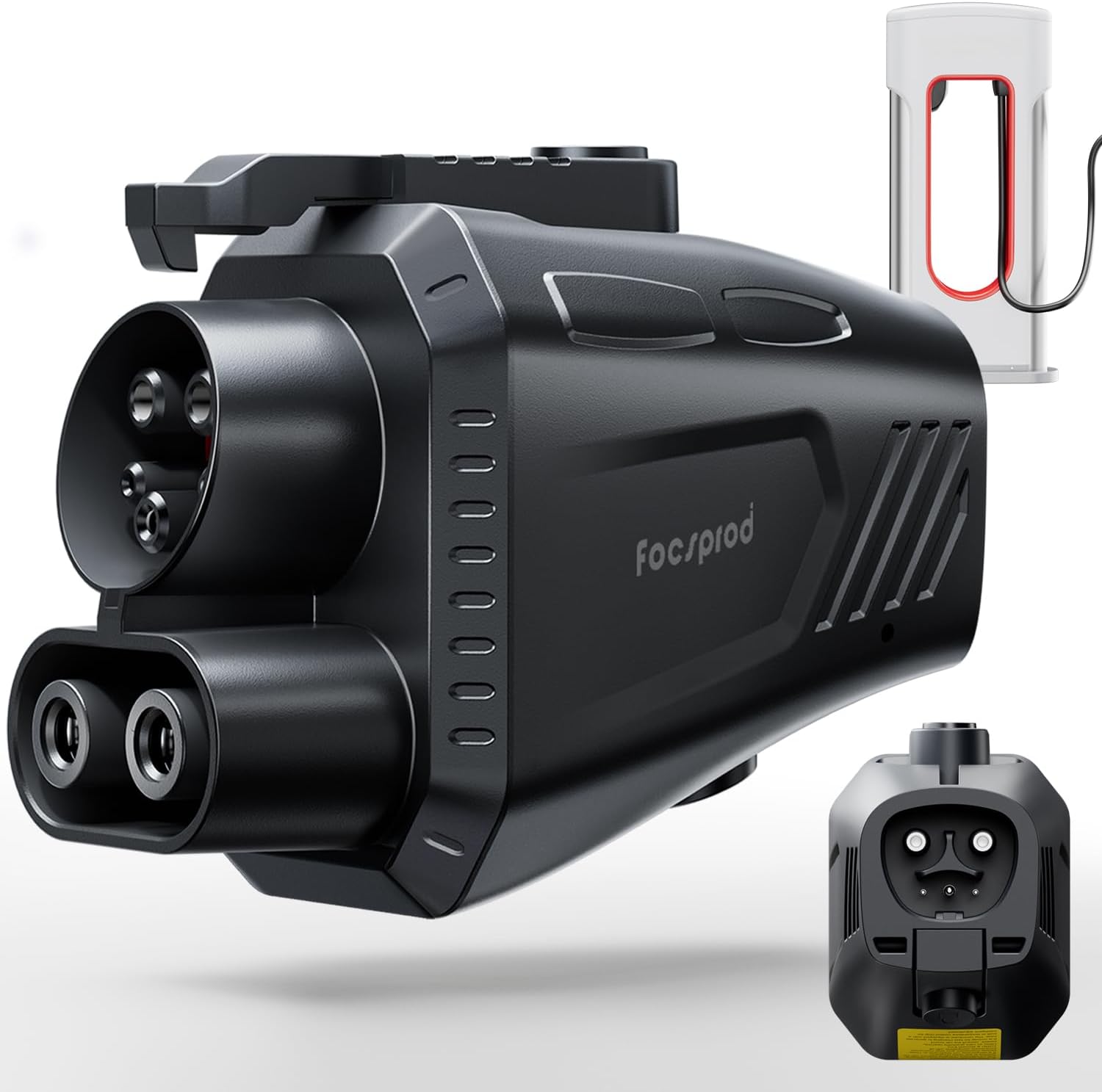
The Lectron Tesla to J1772 adapter is a practical accessory for any J1772 electric vehicle owner who wants to tap into the extensive Tesla charging network. This compact adapter converts Tesla's NACS connector to the standard J1772 plug, allowing you to use Tesla wall connectors, destination chargers, and mobile connectors at home, at RV parks, at hotels, or on the road. It's a smart addition for road trippers, RV owners, van lifers, and anyone who frequently travels to areas where Tesla chargers are more common than public J1772 stations.
With a maximum rating of 48 amps at 240 volts, this adapter can deliver up to 11 kW of charging power, which is enough to significantly reduce charging time compared to a standard Level 1 charger. The adapter is built to be portable: it weighs just over a pound and fits easily in a glove box or trunk. The IP54 weather-resistant rating means it can handle light rain and dust, making it suitable for outdoor use at campgrounds or during emergency roadside charging. The housing is made of durable materials, and the connector feels solid when plugged in.
Setup is straightforward: you insert the adapter into the Tesla connector until it clicks, then plug into your J1772 vehicle. Some users have noted that certain Tesla destination chargers or EV models may require a specific sequence to start charging, such as turning the car on after plugging in. The product description and user reviews suggest that with a bit of practice, most people get it working reliably. It's important to ensure the adapter is fully seated to avoid connection issues.
In terms of performance, the adapter supports fast charging, but it's worth noting that the actual charging speed depends on the Tesla charger's output and your vehicle's onboard charger. The adapter itself is rated for 48A, and many users report charging at 9.6 kW or higher with compatible hardware. The adapter includes built-in overheating protection, and while it may feel warm during use, this is normal according to the manufacturer. Some users have reported intermittent charging pauses on older chargers, which may be due to handshake compatibility issues rather than a defect in the adapter.
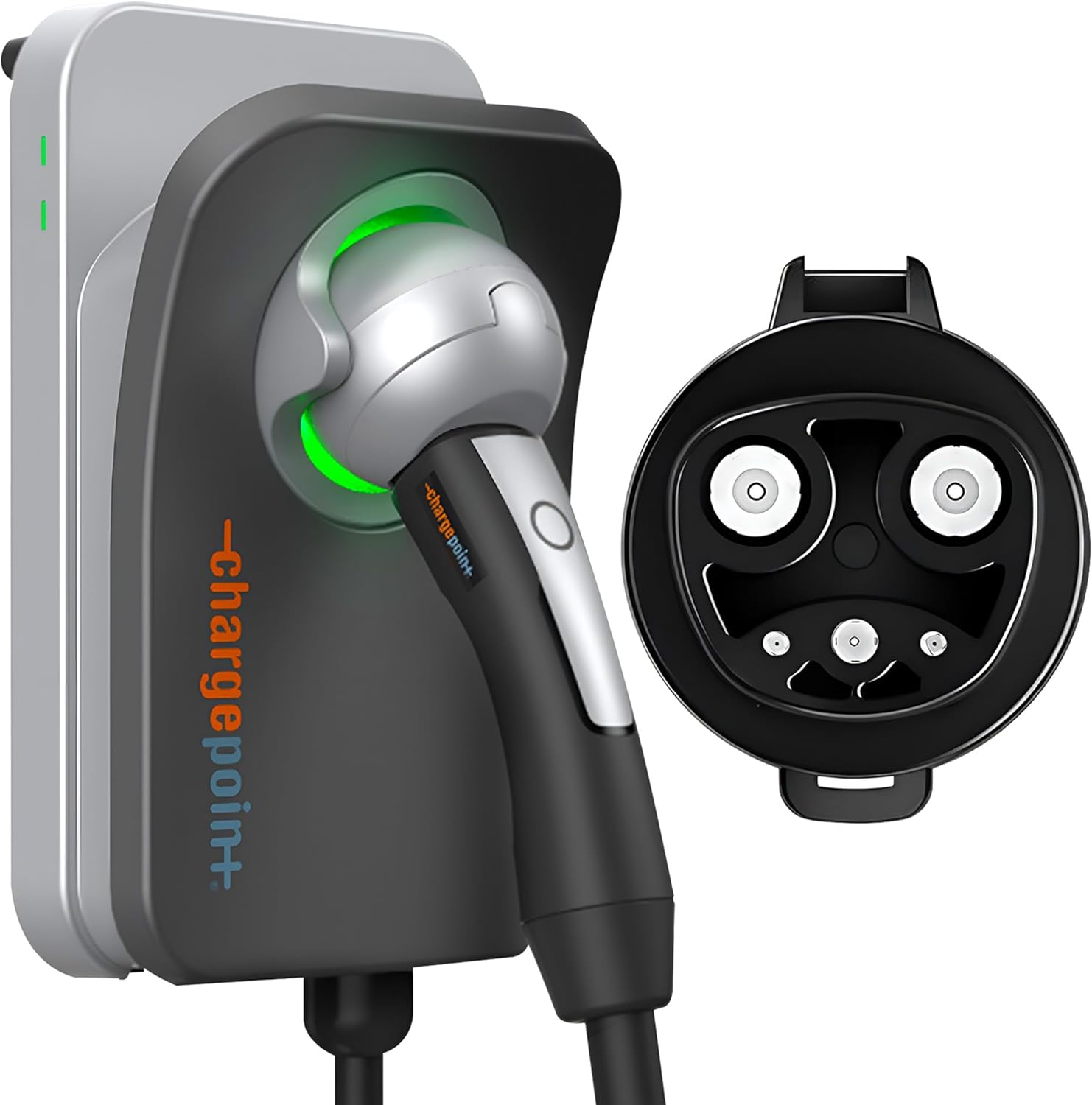
For RV owners and campers, this adapter is a game-changer. Many RV parks and campgrounds now have Tesla destination chargers, and this adapter allows you to use them without needing a Tesla-specific vehicle. It's also useful for emergency preppers who want to have more charging options during power outages or road trips. The compact size means you can keep it in your vehicle at all times without taking up much space. Homeowners with a Tesla wall connector can also use this adapter to charge a second non-Tesla EV, making it a versatile addition to any garage.
Overall, the Lectron Tesla to J1772 adapter is a reliable and affordable solution for expanding your charging options. It's not without its quirks, particularly with some older chargers or specific EV models, but the overwhelming majority of user feedback is positive. If you own a J1772 EV and want to access the convenience of Tesla chargers during your travels, this adapter is a worthwhile investment. Just be sure to check compatibility with your specific vehicle and charger type before purchasing.
Frequently Asked Questions
What is the typical charging station cost for tesla for a home setup?
A standard residential Level 2 setup typically ranges from $400 to $1,200 for equipment and basic installation. Hardware costs depend on whether you choose a 40-amp plug-in charger or a 48-amp hardwired unit. Professional electrician fees vary based on your panel distance, though local utility rebates often offset a significant portion of the total expense.
Can non-Tesla vehicles charge from a Tesla Wall Connector?
Yes, non-Tesla EVs with a standard J1772 port can connect using an adapter like the Lectron Tesla to J1772 EV Charging Adapter. It handles up to 48 amps at 240 volts, allowing compatible vehicles to draw full Level 2 speeds from Destination Chargers and Wall Connectors. It does not work on DC Superchargers.
What circuit breaker size is required for a 48-amp charging current?
A 48-amp continuous charge requires a dedicated 60-amp circuit breaker under the National Electrical Code. Continuous EV charging must not exceed 80 percent of the breaker capacity to prevent overheating. Operating at 48 amps requires a direct hardwired connection with heavy-gauge copper wiring rather than a standard wall outlet.
Does using an adapter impact electrical safety during charging?
No, certified adapters maintain complete electrical safety during high-amperage sessions. The Lectron adapter is SGS certified under the UL 2251 standard, ensuring robust thermal management and secure mechanical latching. Precision terminal pins prevent voltage drops while maintaining steady current flow into your vehicle onboard charger.
How does home Level 2 charging compare to public station fees?
Home charging generally costs 50 to 70 percent less per kilowatt-hour than public commercial chargers. Charging overnight allows you to take advantage of discounted time-of-use utility rates. For roadside preparedness alongside your EV gear, knowing how to charge a car battery without a charger safely can also keep you moving during unexpected 12V battery emergencies.




Write Your Review
No reviews yet. Be the first to share your experience!