

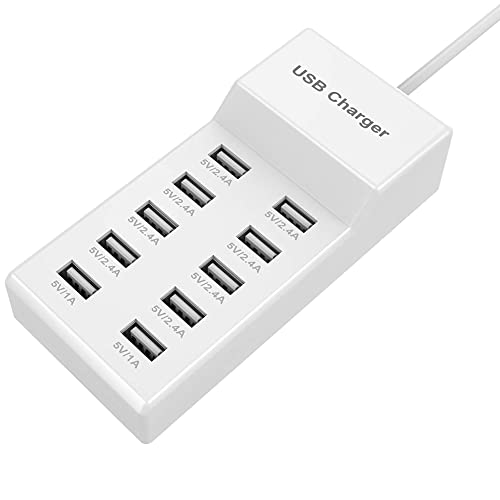
Tangled extension blocks and sluggish wall adapters quickly turn any tidy workspace into an overwhelming nest of wires. Upgrading your desk or nightstand requires understanding the direct differences between a charging station vs charging outlet to prevent slow charging speeds and electrical panel strain. A standard wall receptacle only handles basic alternating current, whereas modern desktop charging docks deliver dedicated USB-C Power Delivery, intelligent current distribution, and surge protection across multiple gadgets simultaneously. Whether you want to streamline an entertainment center or keep emergency gear powered alongside a reliable portable charger for car travel, having dedicated ports makes daily power routines seamless.
Careful analysis of manufacturer wattage allocations, continuous load thresholds, and fire-resistant PC shell ratings shows that high-output multiport units prevent device bottlenecks far better than single-plug wall blocks. Units packing GaN fast charging technology and independent port circuit protections prevent overcurrent spikes that could damage sensitive battery chemistry in phones, laptops, and tablets. Investing in a properly rated multiport hub eliminates daily charging competition in busy households while keeping cords neatly organized in one central footprint.




Frequently Asked Questions
What is the main operational difference in a Charging Station Vs Charging Outlet setup?
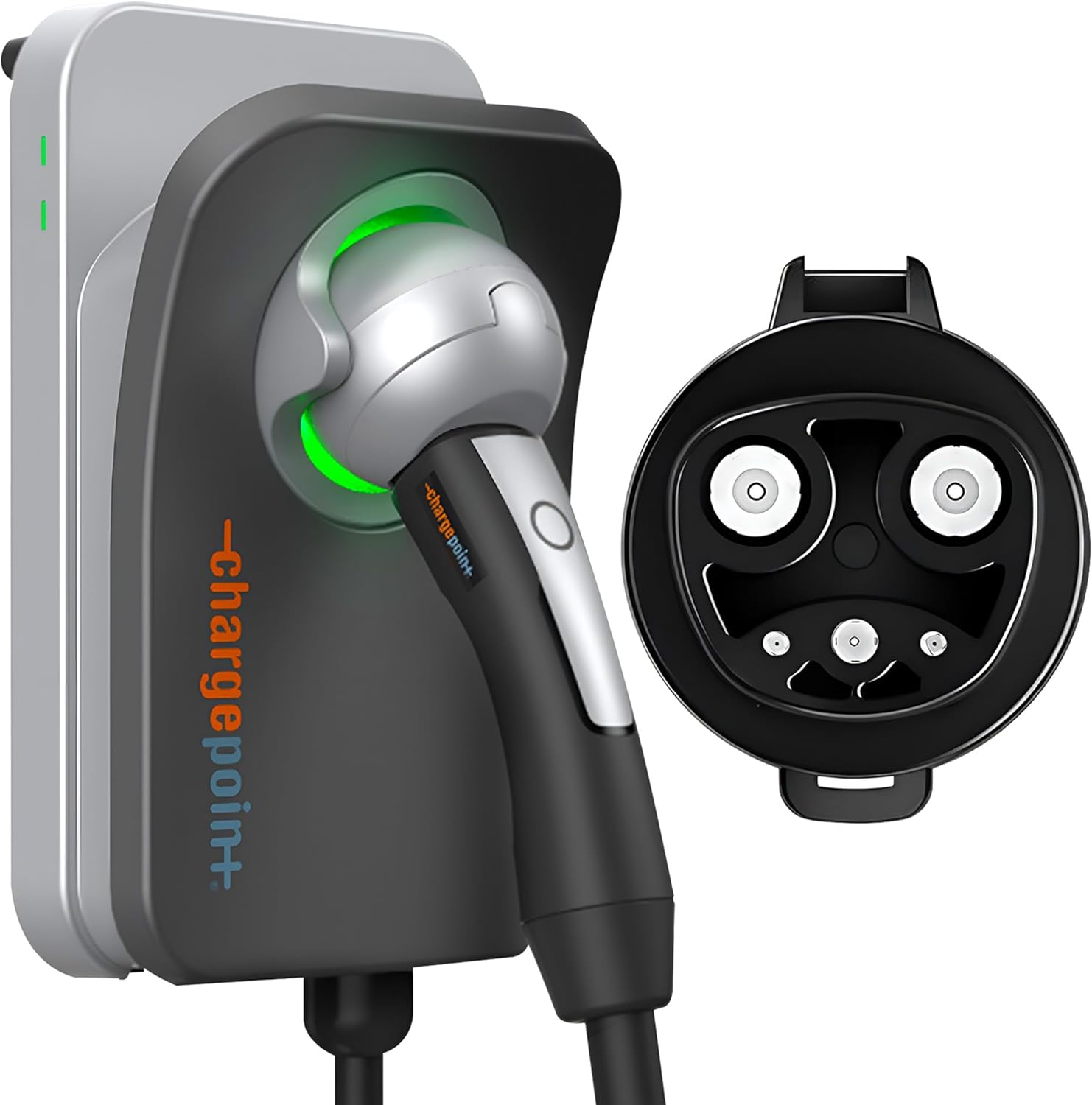
A dedicated charging station integrates multi-port DC transformers and smart power distribution, while a standard charging outlet only supplies raw alternating current through fixed wall sockets. Multiport hubs dynamically allocate amperage across USB-C and USB-A connections to prevent device overheating. In contrast, standard wall plugs require separate bulky power bricks for every connected phone, tablet, or laptop.
Does a desktop charging station charge devices faster than a traditional wall outlet?
Yes, advanced charging stations featuring high-wattage USB-C Power Delivery charge compatible devices significantly faster than standard wall outlets paired with basic 5-watt cubes. Modern GaN-equipped hubs deliver up to 65W or more from a single USB-C port, rapidly replenishing laptops and smartphones. Traditional outlets rely entirely on whatever plug-in adapter you supply, which often caps charging rates at slower speeds.
Can a multi-port charging station overload a home electrical circuit in 2026?
No, reputable multi-port charging stations operate well below standard household 15-amp breaker limits. Most desktop charging stations draw between 20W and 200W, whereas a standard 120-volt room circuit supports up to 1,800 watts continuous load. Built-in overload switches, flame-retardant PC shells, and intelligent current control chips automatically halt output if draw exceeds safe operational parameters.
How does cable management differ between a charging station vs charging outlet?
A charging station consolidates multiple charging lines into one compact base, eliminating wall plug clutter and tangled cords. Consolidating your cords also makes it easier to practice proper cable maintenance, such as learning how to wrap a Mac charger safely to avoid frayed connections. Traditional wall outlets spread cords across open floor spaces or behind furniture, increasing the risk of trip hazards and broken connector tips.
Are multi-device charging stations safe to leave plugged in all day?
Yes, certified charging stations with ETL, UL, or CE listings are built for continuous operation with minimal idle draw. Intelligent IC chips actively monitor connected battery levels and taper down current once a phone or tablet reaches full charge. This smart trickle management prevents excessive thermal buildup and safeguards internal battery health over long periods.




Write Your Review
No reviews yet. Be the first to share your experience!