

Electric fleet operations and commercial properties often stall out when managing electrical service panel capacity limits across busy parking bays. Drivers pull in expecting swift Level 2 replenishment, but undersized infrastructure causes headaches and tripped breakers. Evaluating your commercial electric vehicle charging station cost requires looking beyond the basic hardware sticker price to factor in dual-port load sharing, continuous amperage draws, and dedicated 240V utility connections. Smart planning keeps your upfront investment grounded while delivering reliable power to guests, tenants, and staff. Even if your drivers also pack portable backup solutions like a best portable charger for car emergencies, a fixed commercial setup is what keeps daily fleet turnaround on schedule.
Hardware like the Enphase HCS-D40 dual-port station and EV Range OCPP-compliant units prove that commercial-grade reliability does not always require massive utility overhauls. Selecting UL listed equipment with NEMA 4 weatherproof enclosures shields your gear against freezing rain, heavy snow, and high-impact wear. You also need to account for clear parking signage, sturdy J1772 replacement cords, and network billing software that lets you collect revenue without manual oversight. Digging into the actual product specifications and electrical ratings helps you stretch every dollar while building a robust, future-ready charging depot.


Frequently Asked Questions
What hardware expenses make up the total commercial electric vehicle charging station cost?
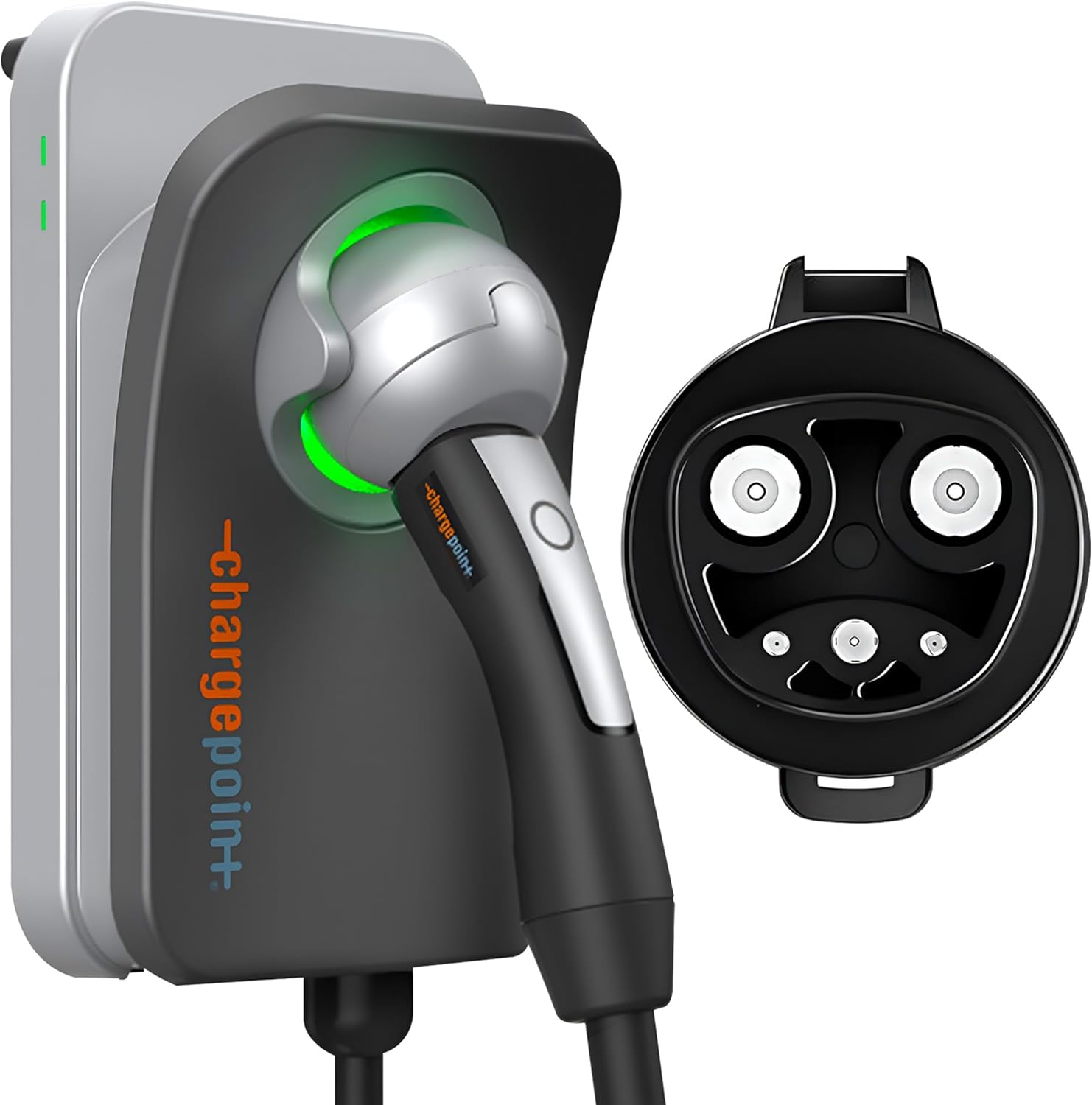
Hardware typically accounts for a significant portion of initial expenses, ranging from basic aluminum signage under $35 to commercial Level 2 charging stations between $999 and $2,300. Dual-port units like the Enphase HCS-D40 reduce utility upgrades by sharing a single circuit across two vehicles. In contrast, networked models like EV Range incorporate OCPP software for automated driver payments. You must also budget for replacement cables, mounting pedestals, and dedicated circuit protection.
How does dynamic load sharing reduce commercial installation expenses?
Dynamic load sharing cuts installation expenses by allowing two EV charging ports to split a single 40-amp or 50-amp electrical circuit. Stations like the Enphase HCS-D40 deliver 32 amps to one car or 16 amps to two vehicles simultaneously without overloading your electric panel. This setup avoids costly utility transformer upgrades and heavy wire runs. As a result, businesses can double their parking stall capacity on existing electrical service.
Can commercial property owners generate revenue from EV charging stations?
Yes, property owners can generate passive revenue by installing OCPP-compliant stations with integrated payment software. Chargers such as the EV Range commercial station allow hosts to configure customized per-kilowatt-hour pricing and idle fees directly through driver mobile apps or RFID cards. Monthly payouts and automated reporting make billing seamless for hotels, apartment buildings, and retail plazas. Setting clear parking signage also ensures spaces remain open for paying customers.
What is the difference between NEMA 4 and standard outdoor enclosures for commercial chargers?
NEMA 4 enclosures offer superior weather resistance compared to standard NEMA 3R outdoor ratings by preventing water ingress from pressurized hose-directed water, windblown dust, and ice formation. Commercial stations equipped with NEMA 4 housings, like the EV Range unit, handle extreme snow, desert heat, and coastal environments. This high-level protection protects delicate internal electronics from corrosion and reduces long-term maintenance repairs. It ensures continuous uptime across all seasons in public parking lots.
What electrical breaker sizing is required for a 32-amp commercial Level 2 charger?
A 32-amp continuous commercial charger requires a dedicated 40-amp circuit breaker under the National Electrical Code 80 percent continuous load rule. Continuous EV charging draws full power for hours, requiring wire and breakers rated for 125 percent of the continuous load. Hardwiring the station provides a durable, tamper-resistant connection suitable for high-traffic lots. If unexpected electrical issues ever leave a vehicle stranded, drivers might review how to charge a car battery without a charger for secondary 12V battery emergencies.
Why is OCPP compliance important when budgeting for commercial EV chargers?
Open Charge Point Protocol (OCPP) compliance prevents vendor lock-in by allowing hardware to communicate with multiple management and payment software networks. If your software provider raises fees or ceases operations, an OCPP-compliant charger can switch to another network without replacing expensive physical hardware. This flexibility protects your long-term capital investment and ensures uninterrupted billing. It also streamlines fleet monitoring and multi-site energy management from a single dashboard.




Write Your Review
No reviews yet. Be the first to share your experience!