

Public DC fast charging rates can catch new electric vehicle owners off guard when commercial roadside plazas charge premium rates per kilowatt-hour. Commercial utility demand fees, massive commercial hardware outlays, and utility transformer upgrades push the real cost of level 3 charging station into tens of thousands of dollars for site operators. Drivers who rely exclusively on public direct-current hubs often face surging per-minute fees, making overnight residential Level 2 replenishment far more practical for everyday commuting. Investing in a dedicated Level 2 wall connector or an organized desktop power dock bypasses public charging congestion while protecting your household budget.
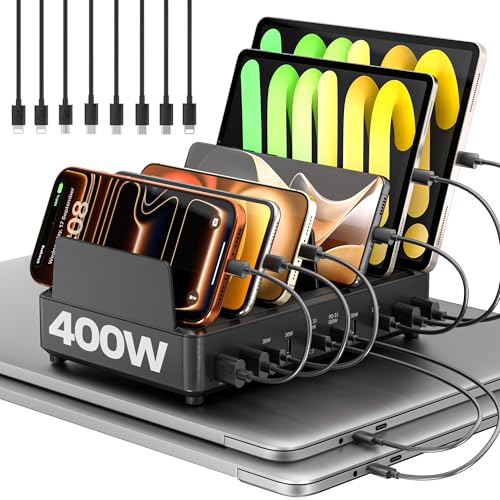
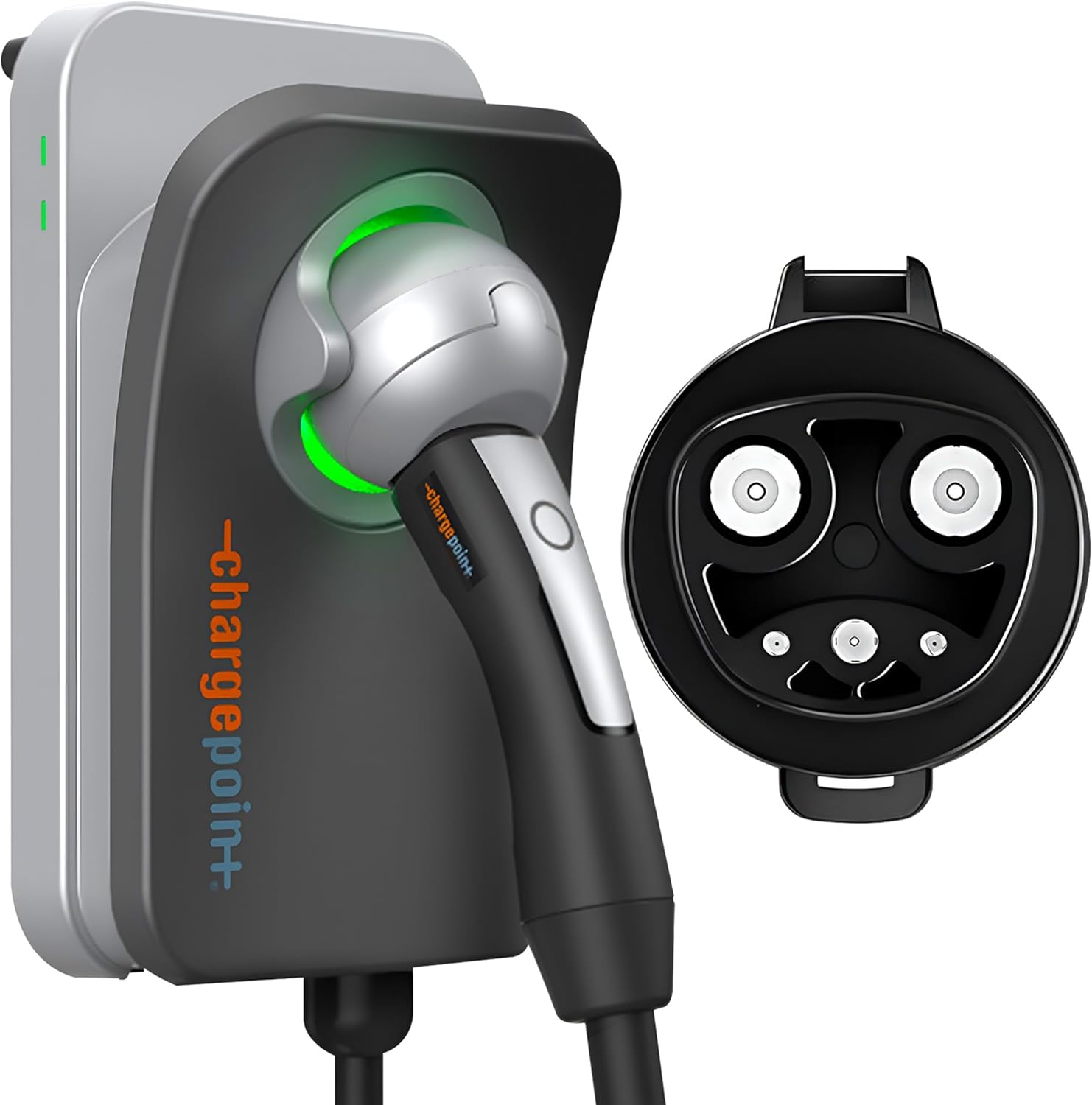
Based on our detailed comparison of amperage ratings, safety certifications, and user feedback, equipping your home with certified hardware delivers reliable power without overloading your electrical service panel. Whether you need a 32-amp EV charger like the SEGUMA unit with NACS compatibility or multi-port docks to eliminate cable tangles, matching kilowatt capacity to your continuous electrical load ensures your breakers won’t trip unexpectedly. Drivers preparing for road trips can also review our guide on the top best portable charger for car models to keep backup power handy on remote drives. Thoroughly evaluating these technical details helps you select durable equipment that meets daily charging demands safely.




Frequently Asked Questions
How does the commercial cost of level 3 charging station compare to home Level 2 charging equipment?
Commercial DC fast charging installations regularly range from $40,000 to over $100,000 per stall due to 480-volt infrastructure requirements, utility transformer additions, and ongoing demand surcharges. In comparison, residential Level 2 chargers run on standard 240-volt circuits and cost only a fraction of commercial systems. Installing a home Level 2 unit allows you to replenish your vehicle overnight at off-peak residential rates without paying high public network markups.
What electrical circuit sizing is required to avoid tripping breakers during EV charging?
Continuous EV charging requires a dedicated circuit breaker sized at 125 percent of the continuous electrical load according to the National Electrical Code. A 32-amp EV charger requires a 40-amp dedicated two-pole breaker, while a 40-amp charger demands a 50-amp breaker to operate safely. If you encounter vehicle battery issues away from your charging station, knowing how to charge a car battery without a charger safely can help you manage unexpected power emergencies.
Can scheduled off-peak charging reduce high electric utility bills in 2026?
Yes, scheduling your charging sessions for off-peak hours can lower your electricity expenses significantly under time-of-use utility rate plans. Smart Level 2 chargers feature delay timers and mobile app controls that let you connect the cable after work while deferring power flow until late at night. Taking advantage of these lower overnight rates keeps vehicle operating costs low over the life of the car.
Why are UL and ETL safety certifications critical for high-wattage charging hubs?
Third-party certifications like UL 62368-1 and ETL confirm that charging hardware meets rigorous standards for thermal regulation, short-circuit protection, and overcurrent prevention. Multi-port desktop hubs distribute substantial wattage across multiple connected devices, making flame-retardant enclosures and smart chips necessary to avoid electrical hazards. Maintaining your power cords properly also protects your equipment, so reviewing techniques for how to wrap a mac charger safely helps prevent cable strain and damage.
How does weatherproofing protect an outdoor charging station during winter storms?
An IP66 waterproof enclosure rating shields sensitive internal electrical components from blowing rain, snow, and extreme sub-zero temperatures. Durable seals keep moisture out of the housing, preventing ground faults and terminal corrosion during harsh seasons. Selecting hardware with cold-weather rated cables also ensures the cord stays flexible when plugging in during freezing temperatures.
What is the difference between NACS and J1772 connectors for home EV charging?
The North American Charging Standard (NACS) connector connects directly to Tesla vehicles and newer EVs adopting the standard without requiring an adapter. Universal SAE J1772 connectors fit most other existing North American electric models. Choosing a charger engineered with your car’s native connector eliminates the need for extra adapters and simplifies daily charging.




Write Your Review
No reviews yet. Be the first to share your experience!