

Tangled power strips and crowded wall outlets create unnecessary headaches across busy desks, shared classrooms, and family counters. Plugging half a dozen separate power bricks into a single surge protector wastes space and often leads to sluggish recharge speeds when screens demand power at once. Setting up the best mobile charging station provides an organized central hub that streamlines messy power adapters into one tidy location. Based on our detailed comparison of port allocations and user feedback, multi-port charging hubs and mobile carts deliver dependable power distribution without overheating. Whether you need desktop charging or want to pack a portable charger for travel, having dedicated ports ensures each device gets steady current.
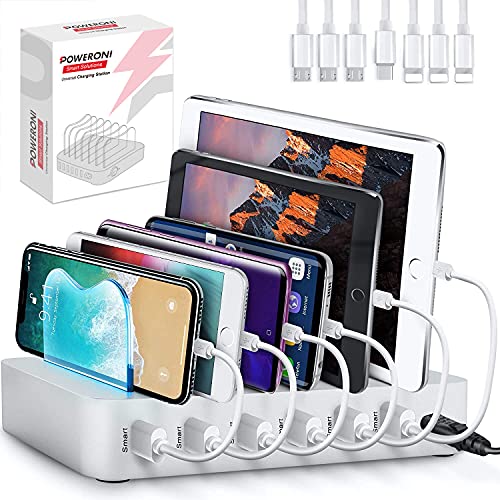
Power needs vary widely depending on whether you manage classroom tablets or want a cleaner home office. High-capacity mobile carts feature ventilated steel panels, secure locking doors, and integrated surge protection to safeguard laptops. Meanwhile, compact multi-port desktop docks use smart power distribution and adjustable dividers to secure smaller electronics. Checking how many volts in a phone charger also helps match the right wattage to each gadget. Investing in a reliable multi-device dock eliminates cable chaos, shields hardware from voltage spikes, and keeps everyday essentials powered up.


Frequently Asked Questions
How does dynamic power allocation work in a multi-port best mobile charging station?
Dynamic power allocation detects connected devices and delivers the specific amperage each gadget requests. Intelligent internal chipsets balance total wattage across active USB-C and USB-A ports so no single device receives excessive current. If you often charge gear on the move, pairing your hub with a magnetic portable charger for Android offers extra convenience away from outlets.
Can a mobile charging cart safely charge laptops and tablets simultaneously?
Yes, commercial mobile charging carts feature integrated heavy-duty power strips and built-in surge protection to handle multiple higher-wattage devices. Units with 16 to 36 bays keep laptop cords organized with dedicated routing clips. Organizing power cables properly, much like learning how to wrap a Mac charger, protects charging cords from long-term wear and tear.
Will plugging multiple phones into one station slow down charging speeds?
It depends on the total wattage capacity of the station and active port counts. When several devices share a single fixed-wattage rail, the hub divides the amperage, resulting in slightly longer charge cycles. Selecting a best mobile charging station with dedicated power lines or higher total output, such as 100W across several ports, helps prevent noticeable speed drops.
Are locking mobile cabinets necessary for schools and offices?
Yes, physical security is essential in shared environments where expensive electronics stay unattended. Heavy-gauge steel charging lockers and mobile carts feature key locks or programmable 3-digit combination locks to prevent theft. Public mode combination systems reset automatically after every use, allowing different students or office guests to store hardware securely.
Can devices remain in protective cases while sitting in a charging dock?
Yes, modern multi-device docks feature removable and adjustable baffles designed for thicker protective cases. You can widen the space between divider slots to accommodate rugged tablet covers or bulky phone cases without forcing them. Ensure the baffles click firmly into the base so taller screens stay upright safely while charging.




Write Your Review
No reviews yet. Be the first to share your experience!